
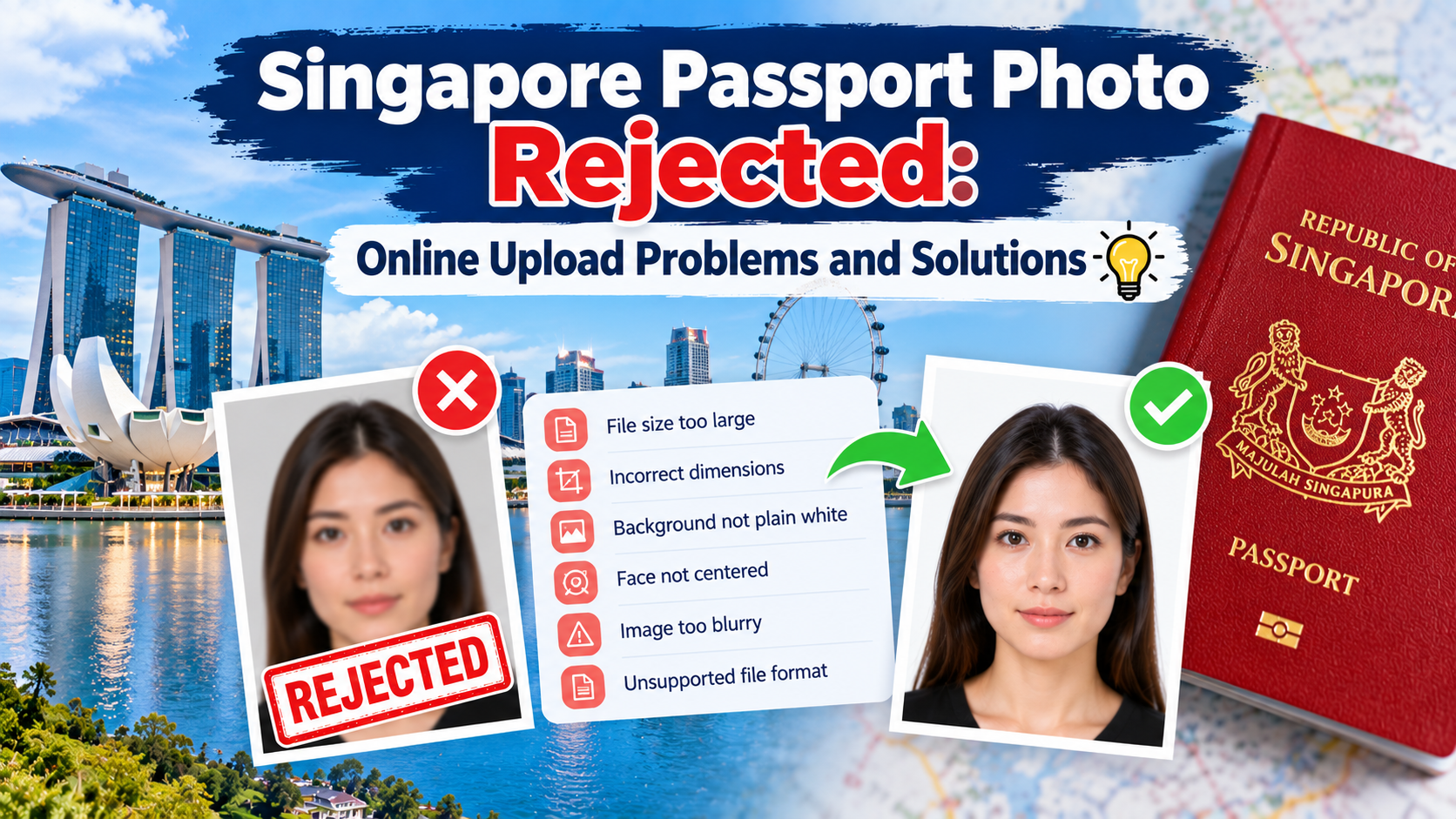
Singapore Passport Photo Rejected: Online Upload Problems and Solutions
For ICA's online e-Services, your photo should be a JPG, JPEG, HEIC, HEIF, or PNG file, ideally 400×514 pixels, no more than 8 MB.
Read article →Blog topic
Passport, visa, ID, and immigration photo requirements by document and country.
For ICA's online e-Services, your photo should be a JPG, JPEG, HEIC, HEIF, or PNG file, ideally 400×514 pixels, no more than 8 MB.
Read article →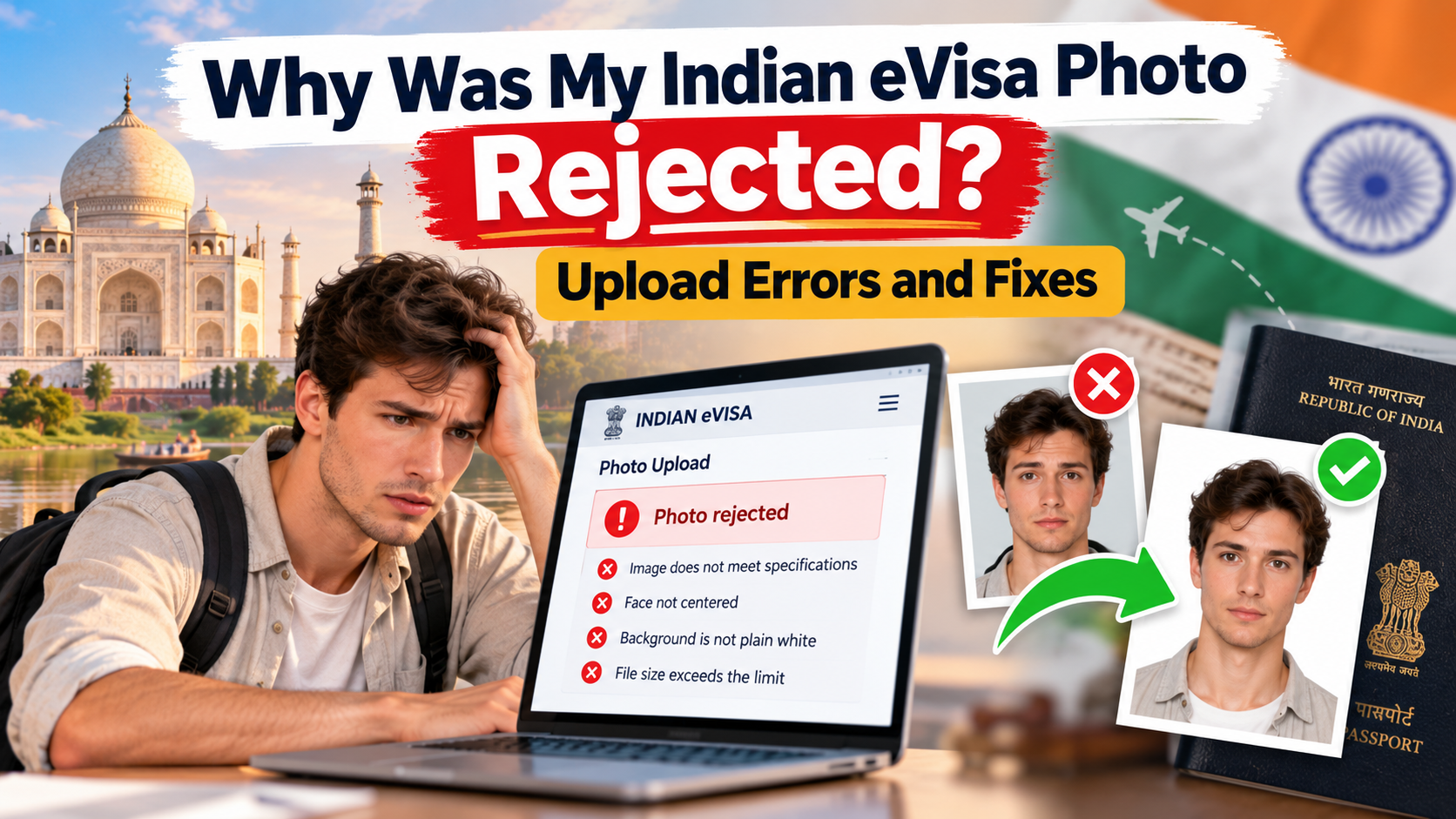
Indian eVisa photos must be JPEG files between 10 KB and 1 MB, square (equal height and width), sized between 350×350 and 1,000×1,000 pixels, on a plain light-colored or white background, with no glasses, no shadows, and no borders.
Read article →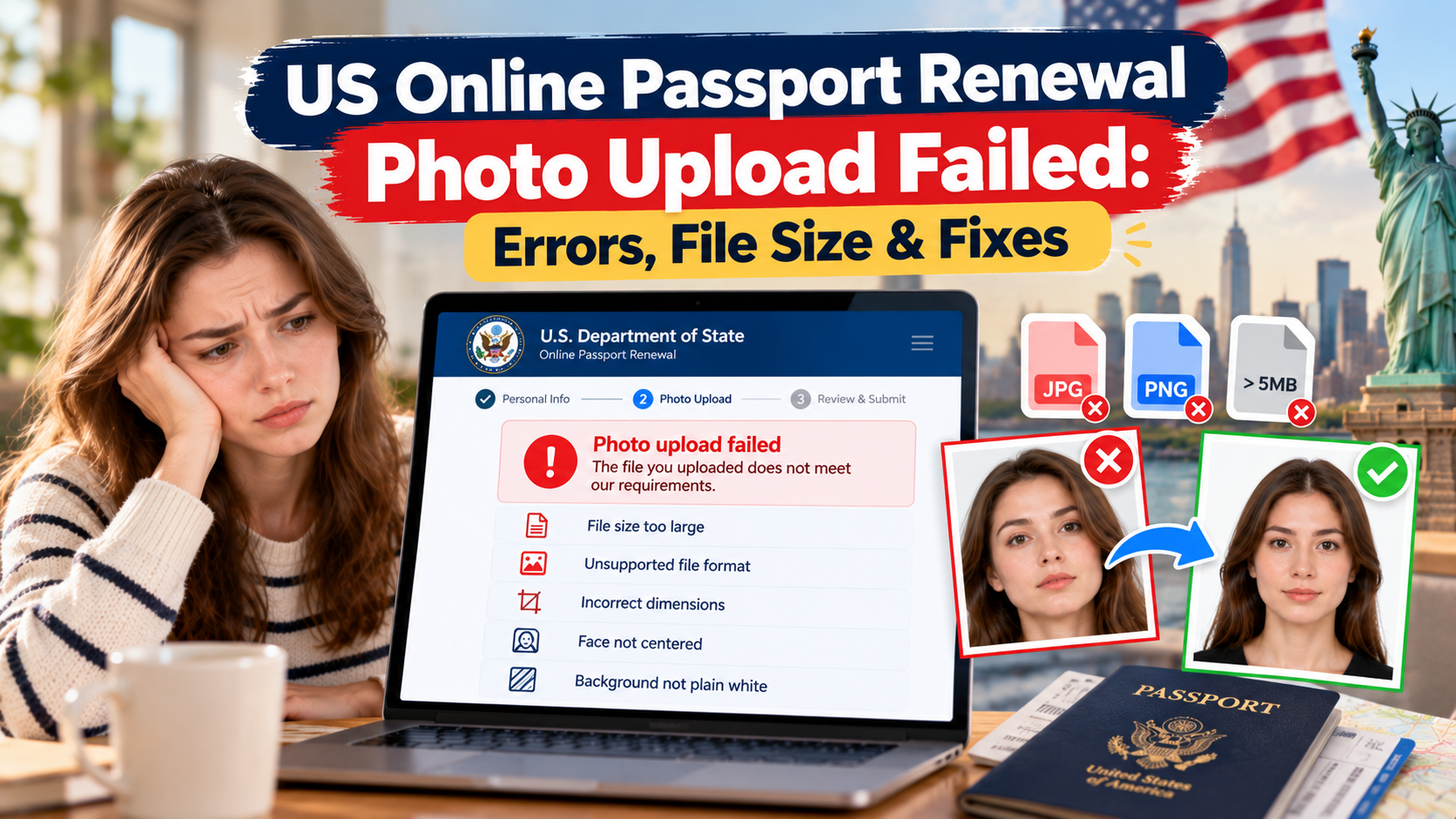
Most upload failures on Travel.State.Gov come down to file specs, not how the photo looks.
Read article →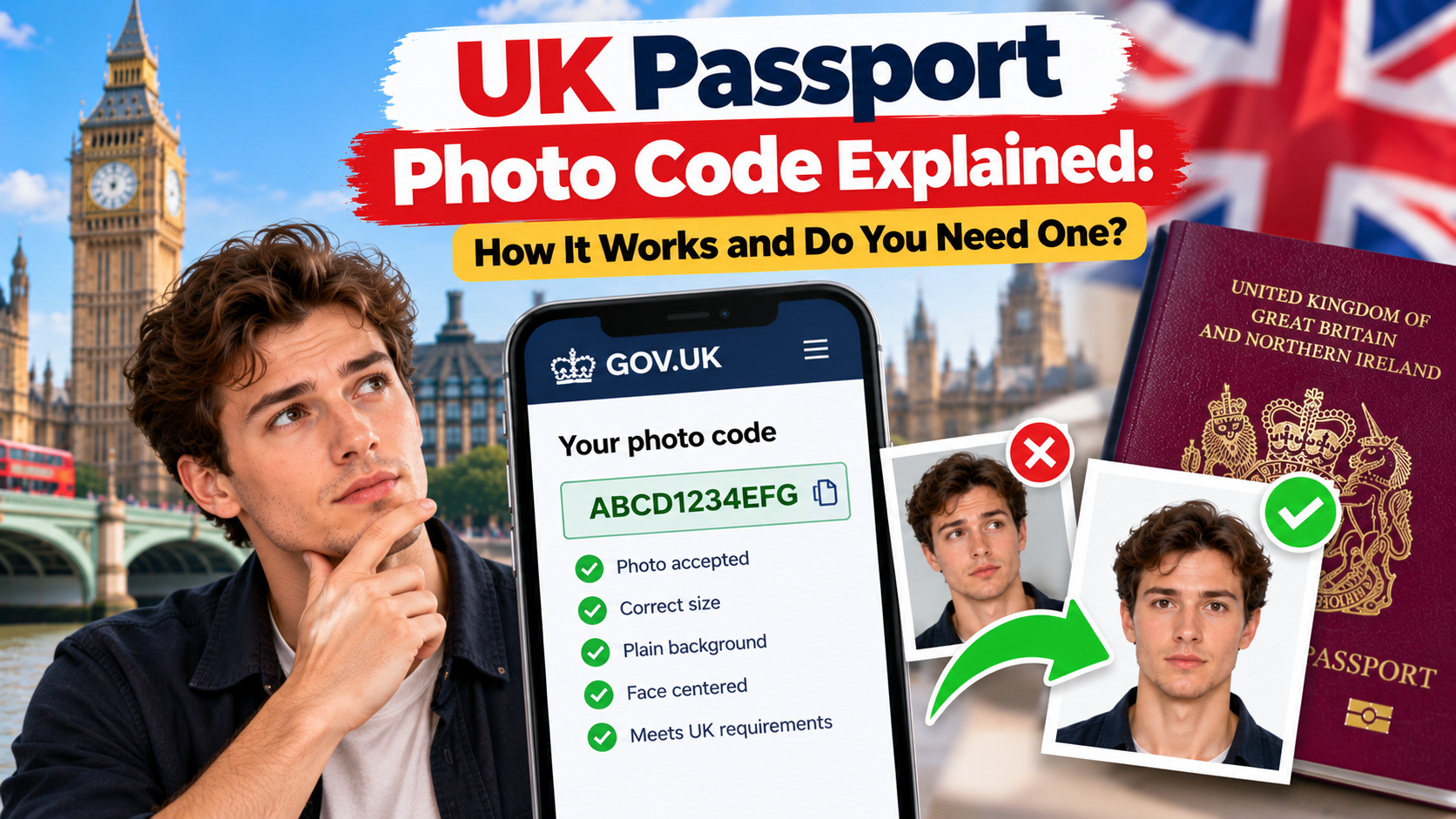
A UK digital photo code is a short reference (like `photo.co/AB12CD34`) that links a photo already stored by an approved provider — a photo booth, photo shop, or an online service — directly to your GOV.UK passport application.
Read article →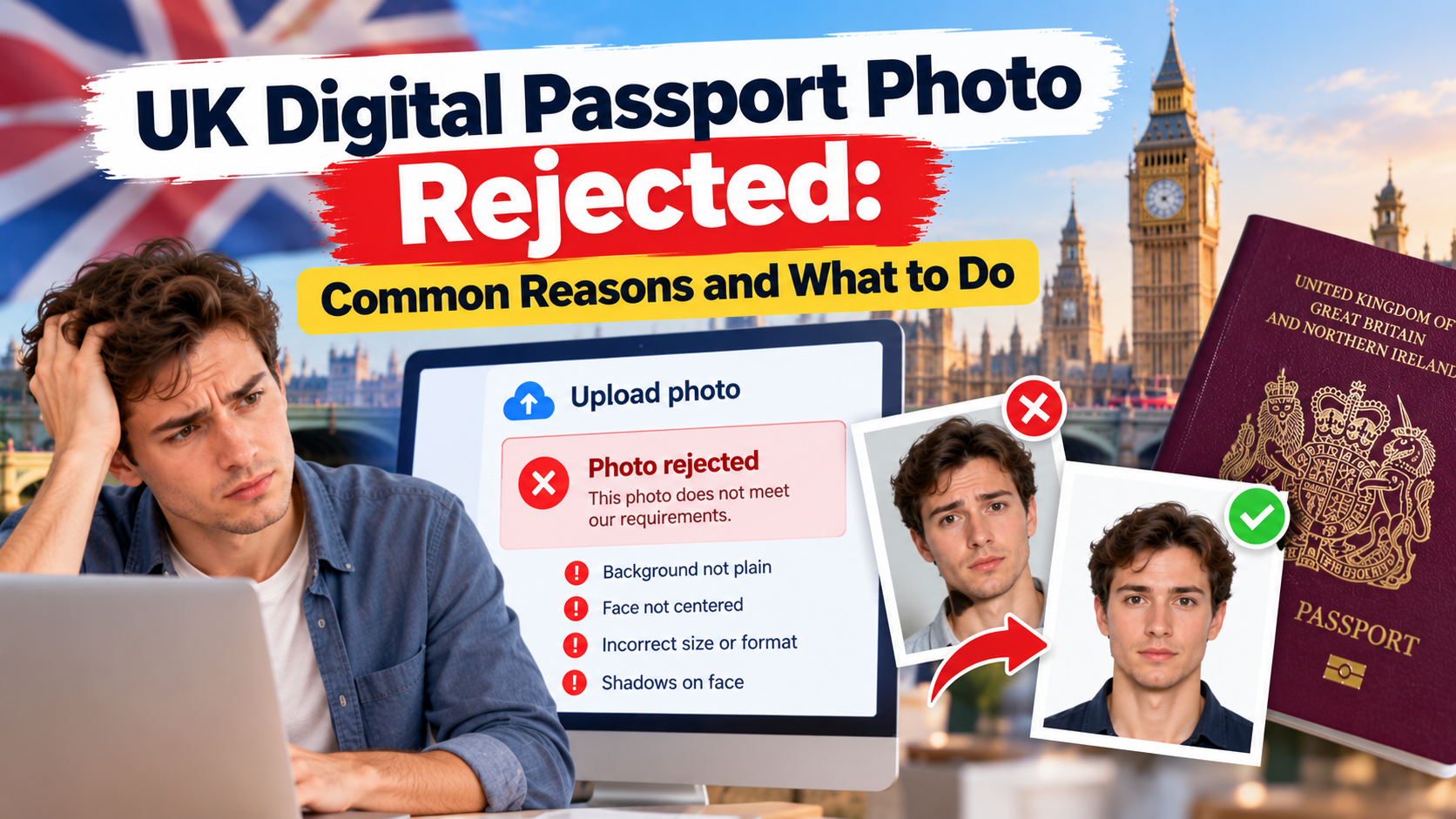
HMPO digital photos must be a minimum of 600px wide by 750px tall, saved as a JPEG between 50 KB and 10 MB, taken within the last month, against a plain light grey or cream background (not white).
Read article →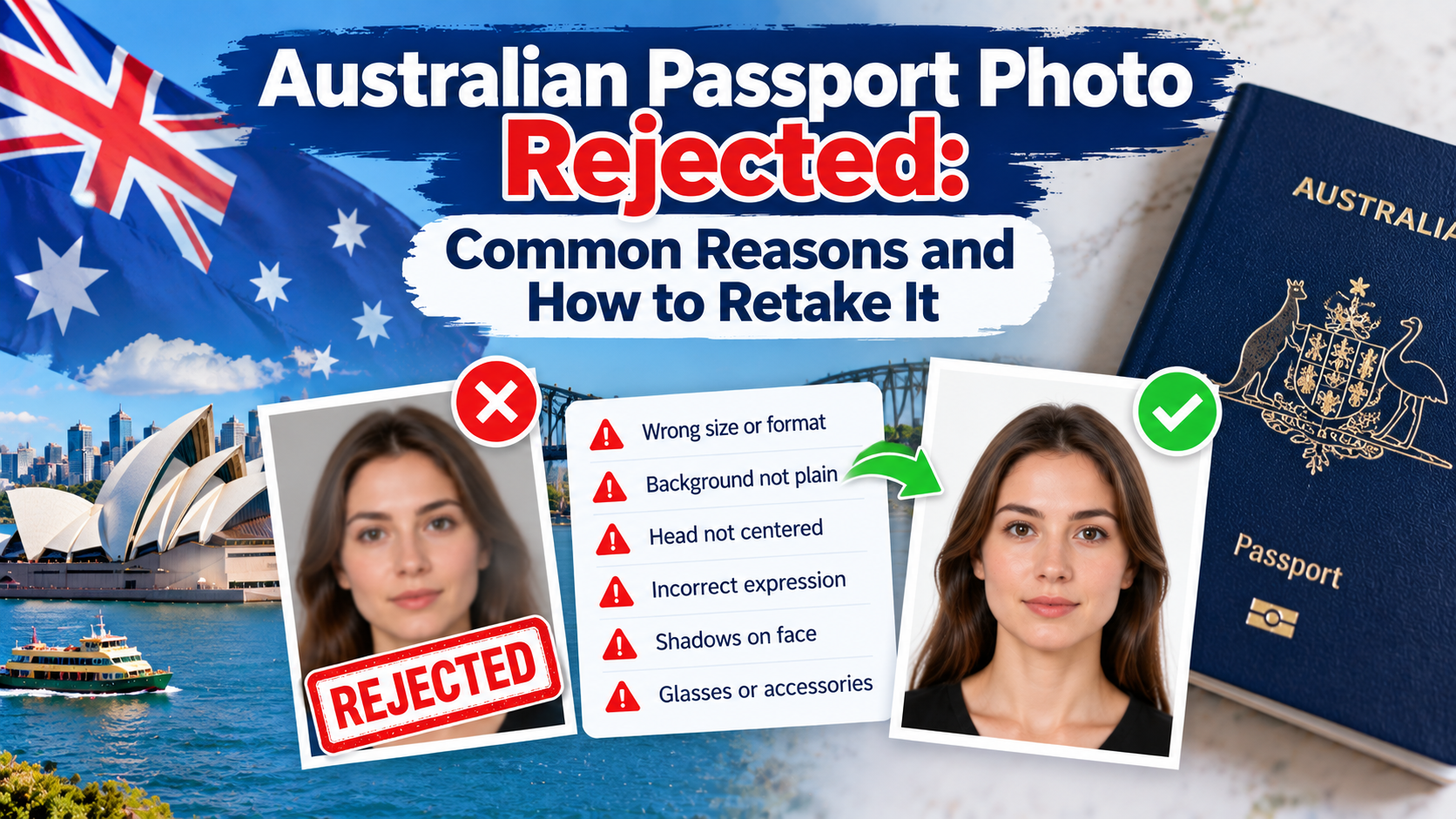
Australian passport photos must be at least 45mm high by 35mm wide, with the head measuring 32–36mm from the top of the head (not hair) to the bottom of the chin.
Read article →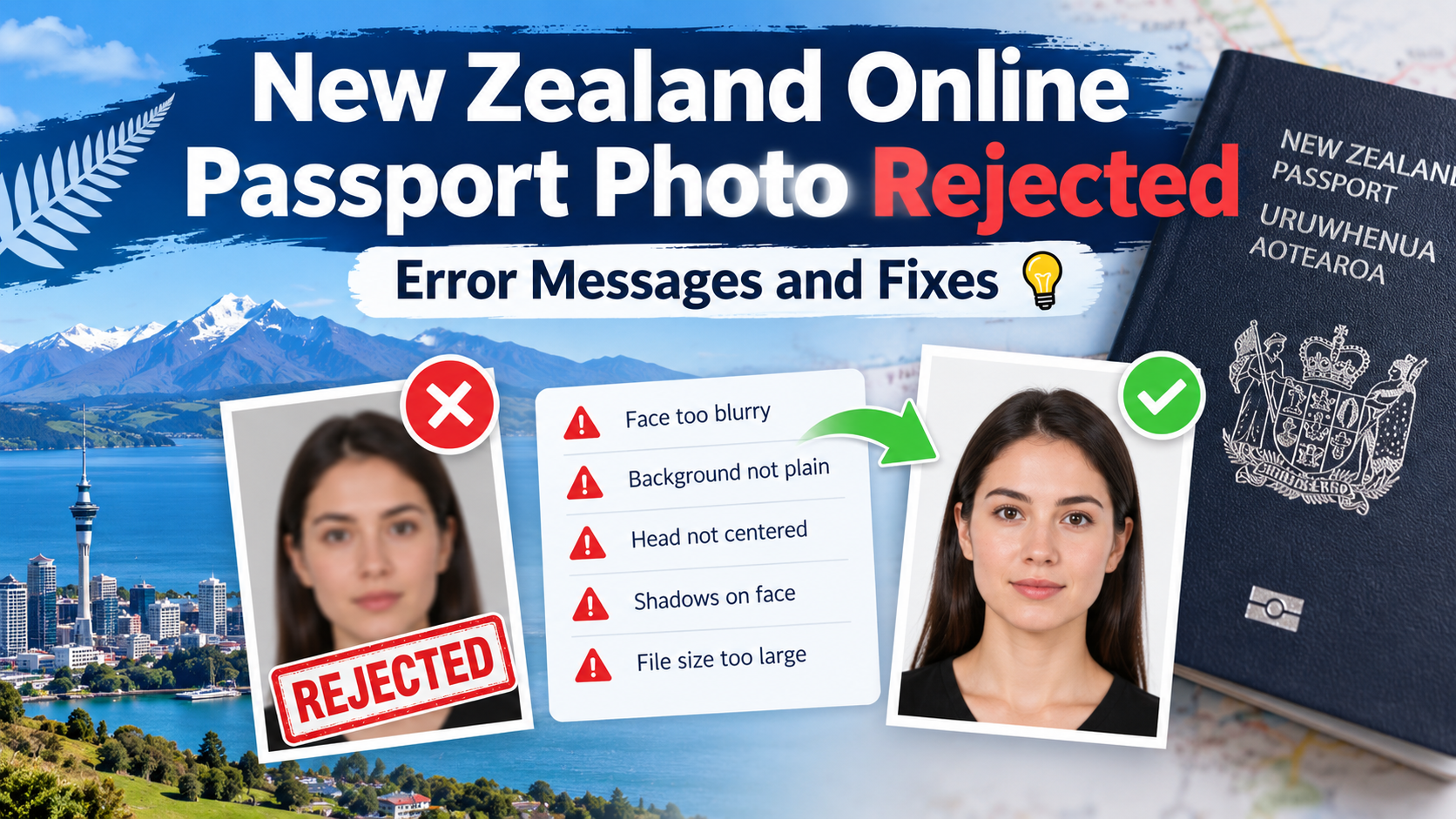
New Zealand passport photos must be a color portrait with a 3:4 aspect ratio, saved as a .jpg or .jpeg file between 250 KB and 5 MB, and between 900–4,500 pixels wide and 1,200–6,000 pixels tall.
Read article →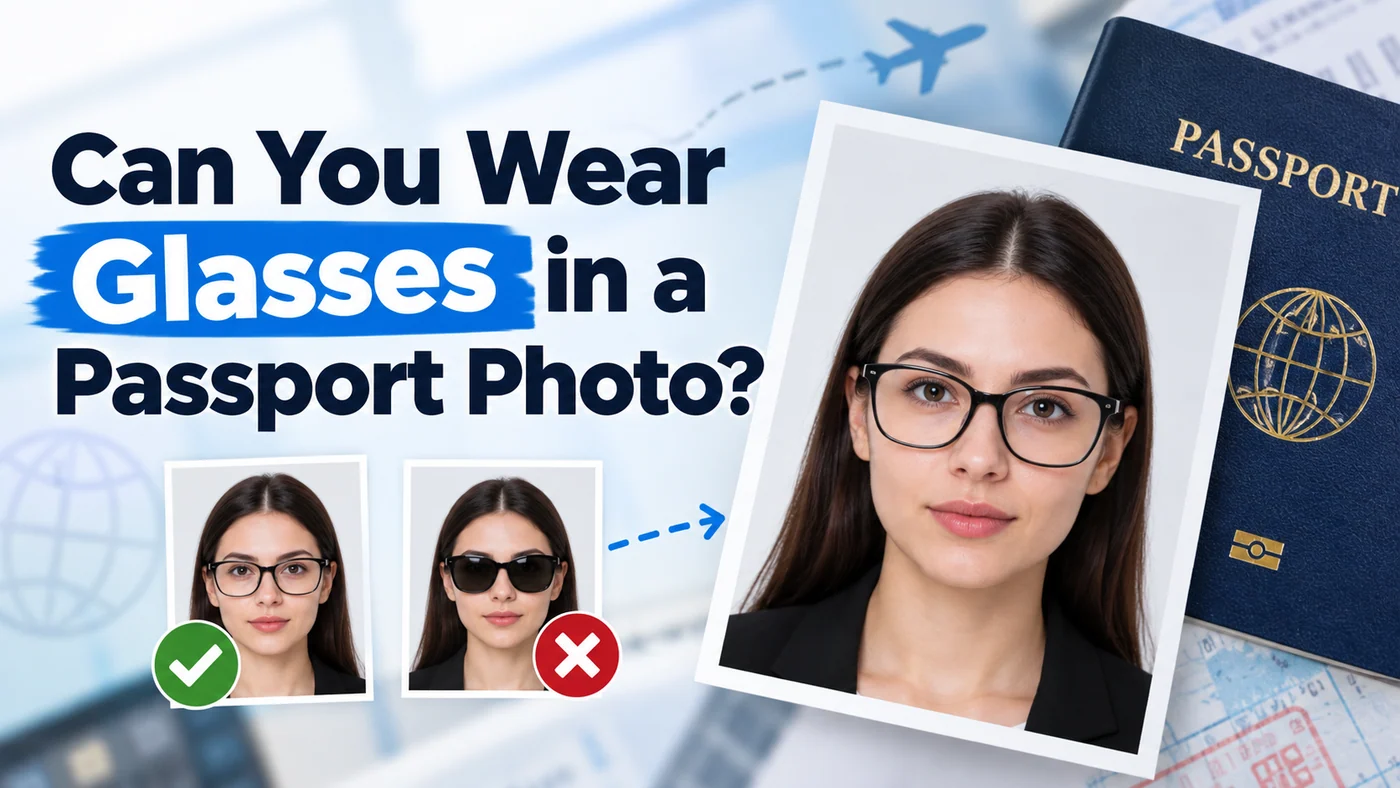
Eyeglasses are not allowed in a U.S. passport photo unless a signed medical statement documents a genuine need to keep them on.
Read article →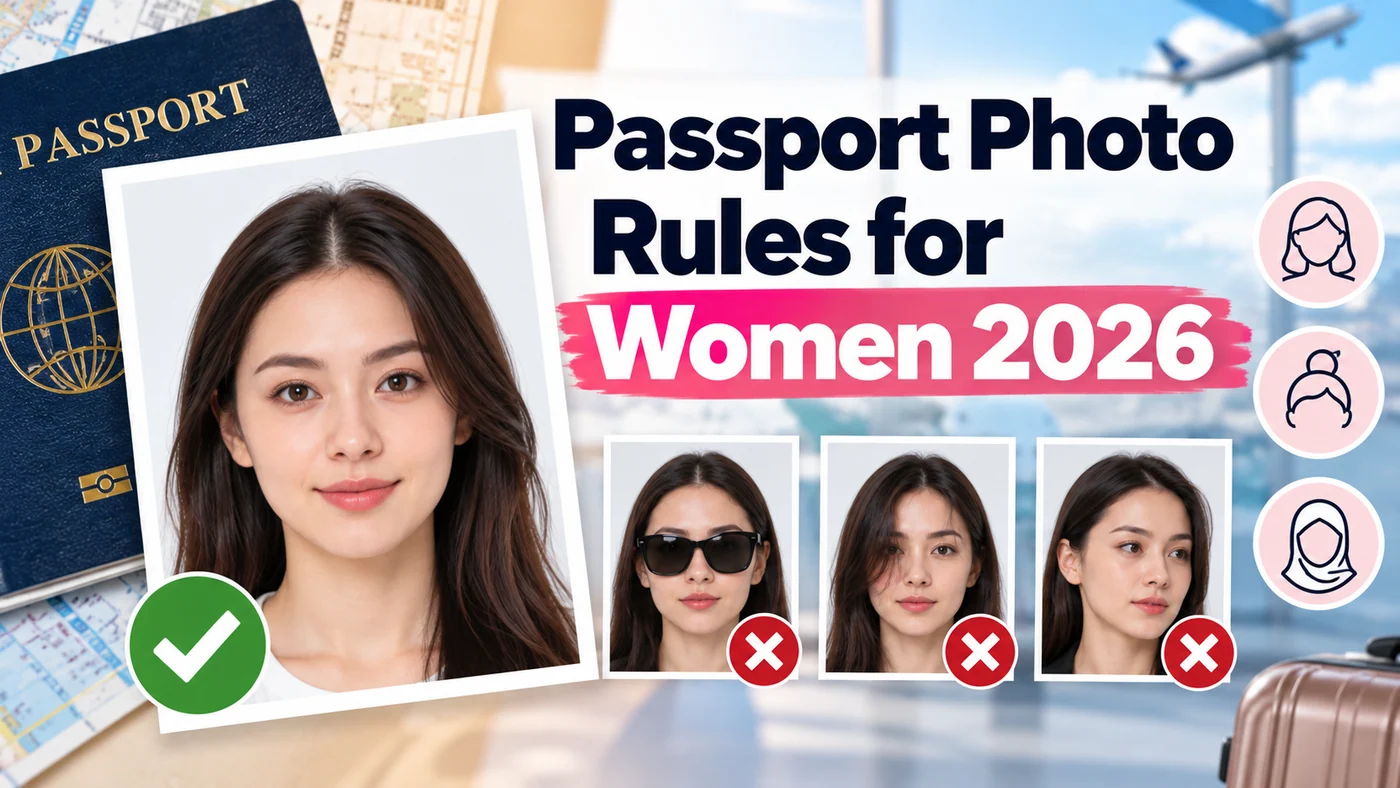
Passport photo rules are the same for everyone, but women often need to pay particular attention to hair, makeup, jewelry and necklines.
Read article →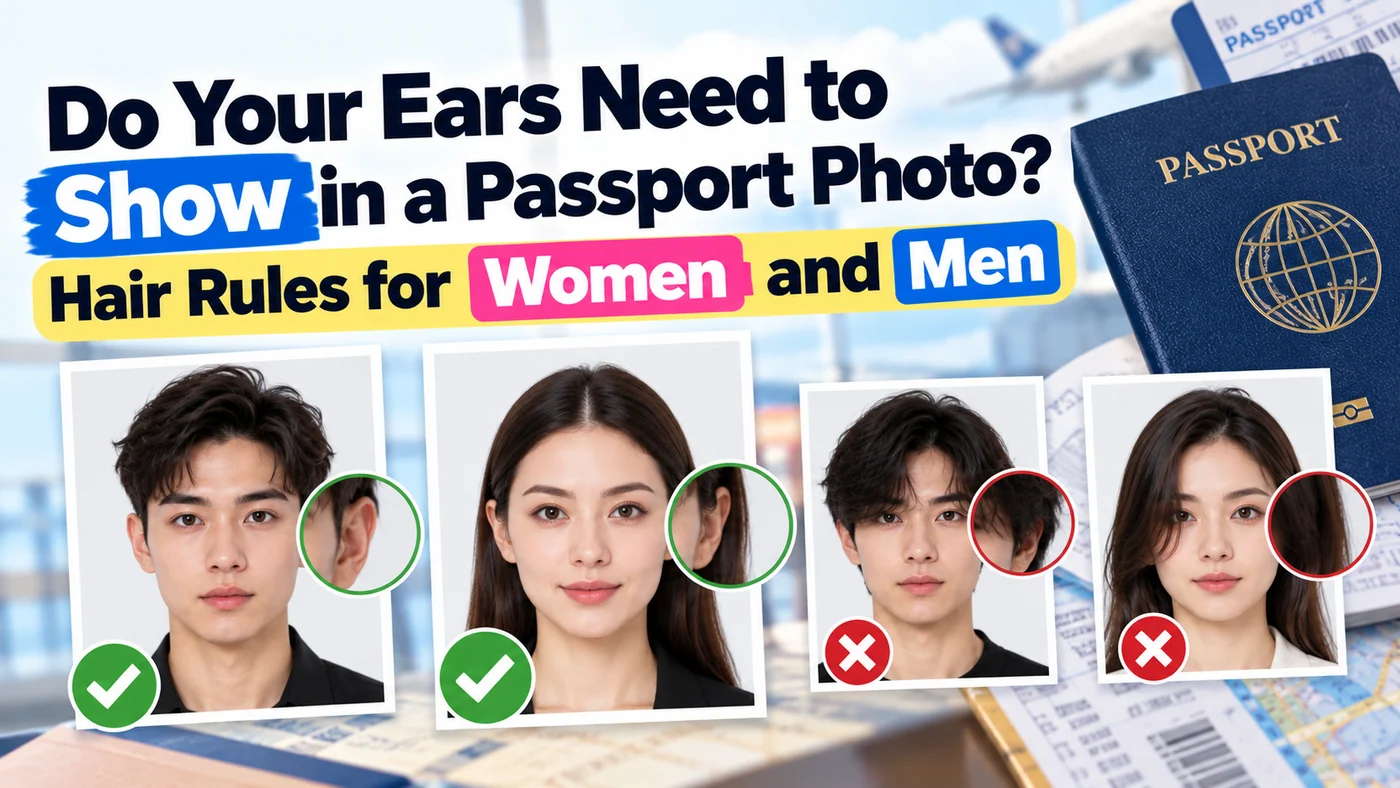
Your ears do not need to show in a U.S. passport photo, but your full face, eyes and facial outline must remain clear and free of shadows.
Read article →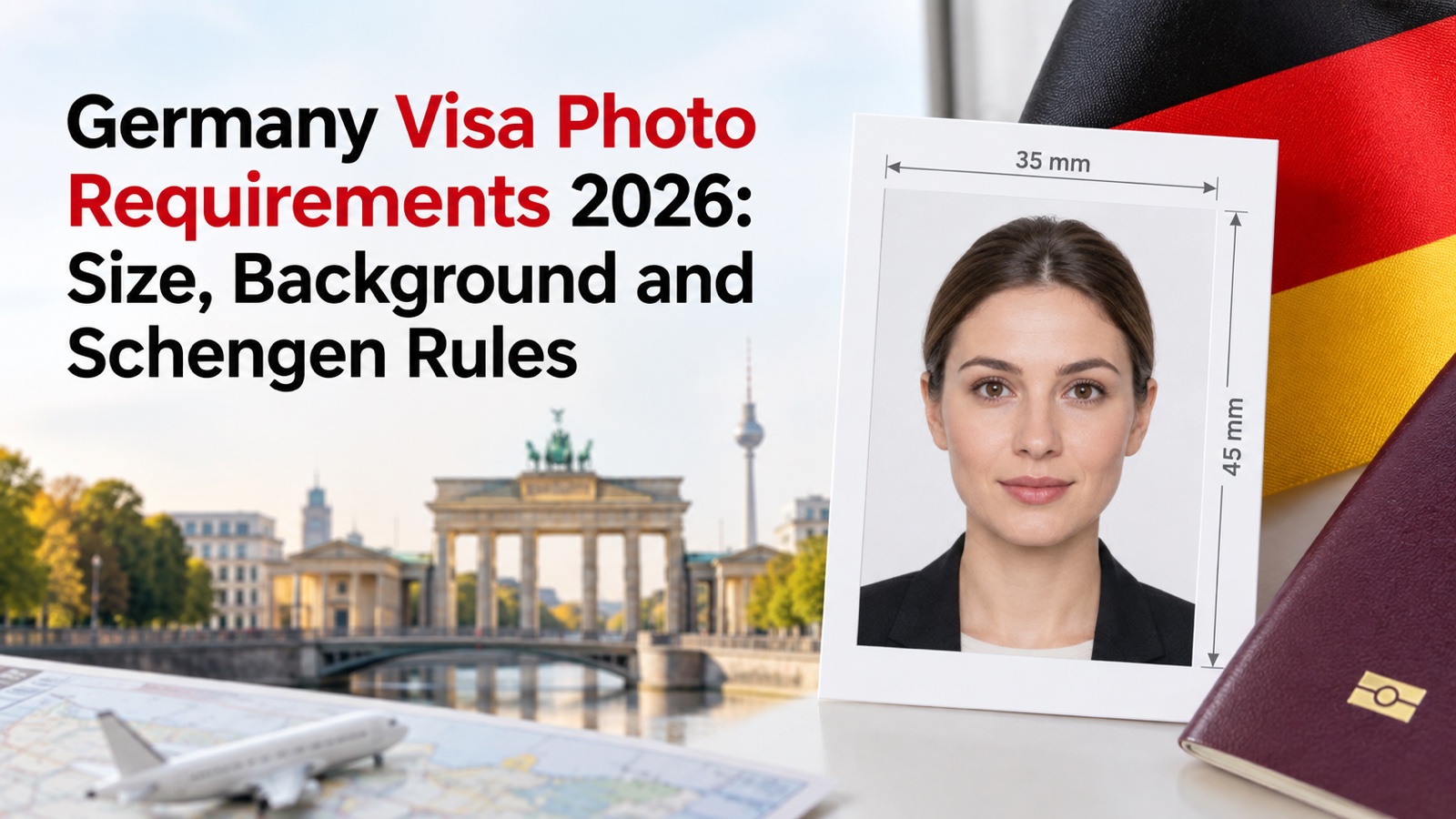
Germany visa photo size, background, biometric framing and the difference between embassy applications and Germany's domestic digital-photo system.
Read article →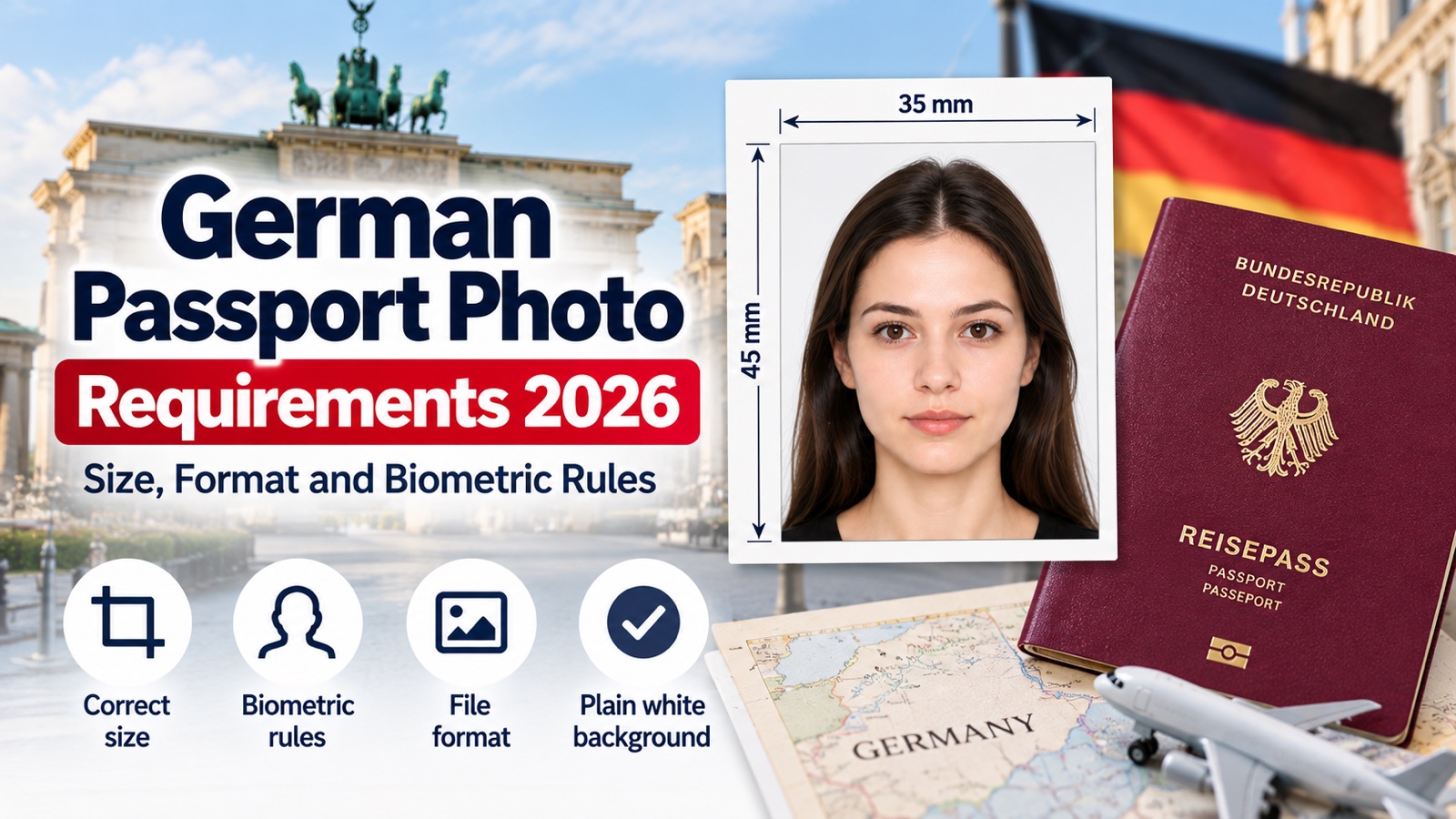
German passport photo size, biometric framing and the digital-only submission process used inside Germany since May 2025.
Read article →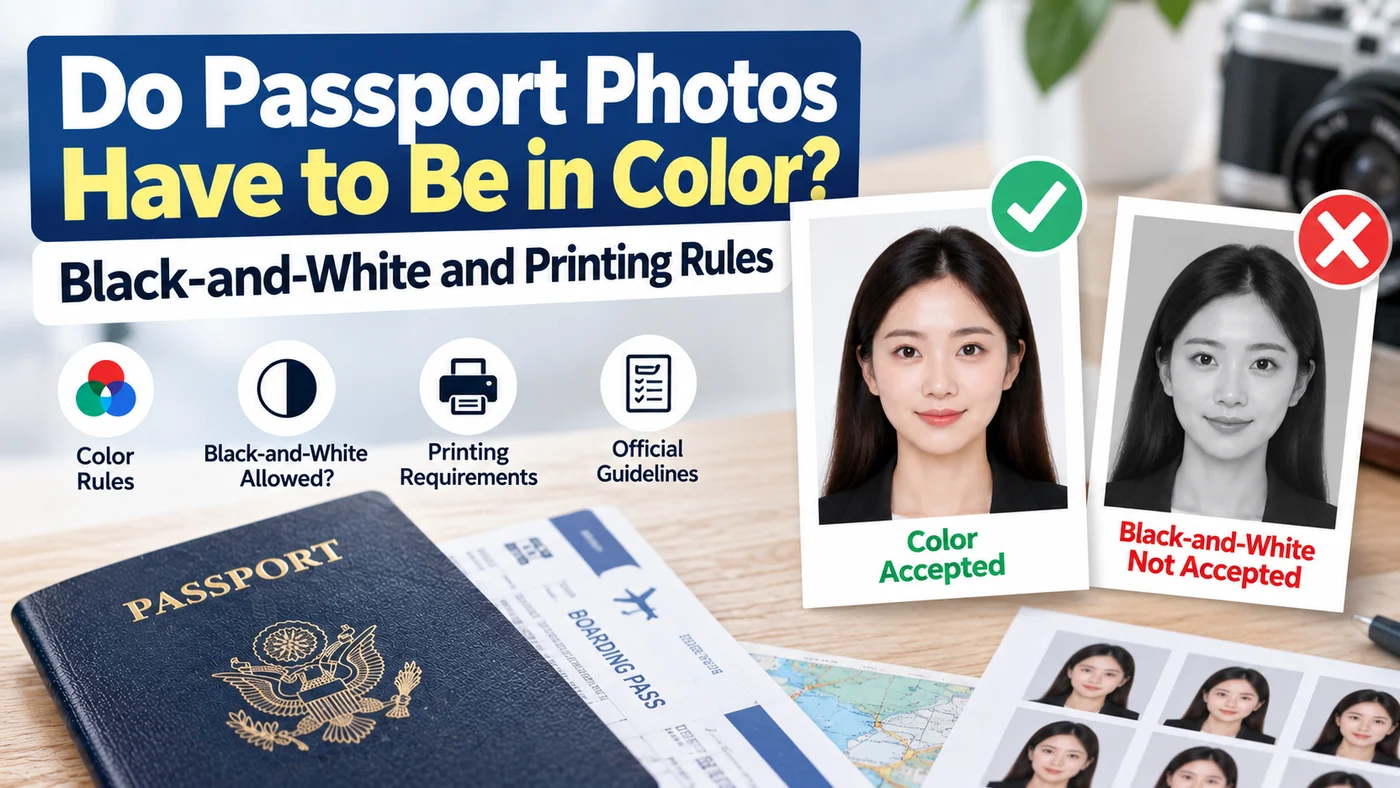
U.S. passport photos must be in color, while rules differ elsewhere. Learn the color, filter, lighting and printing requirements.
Read article →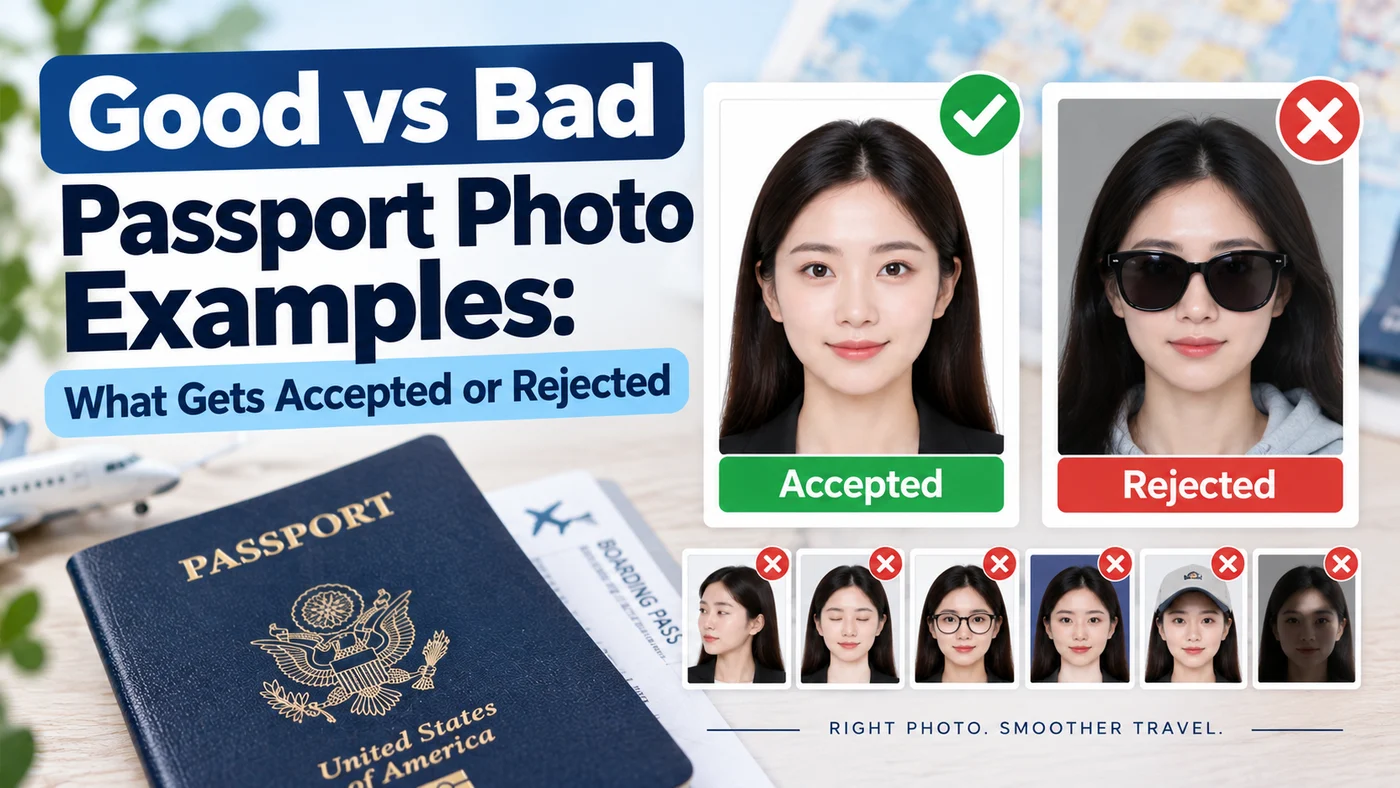
Compare the most common accepted and rejected passport photo patterns, including expression, shadows, head position, glasses and framing.
Read article →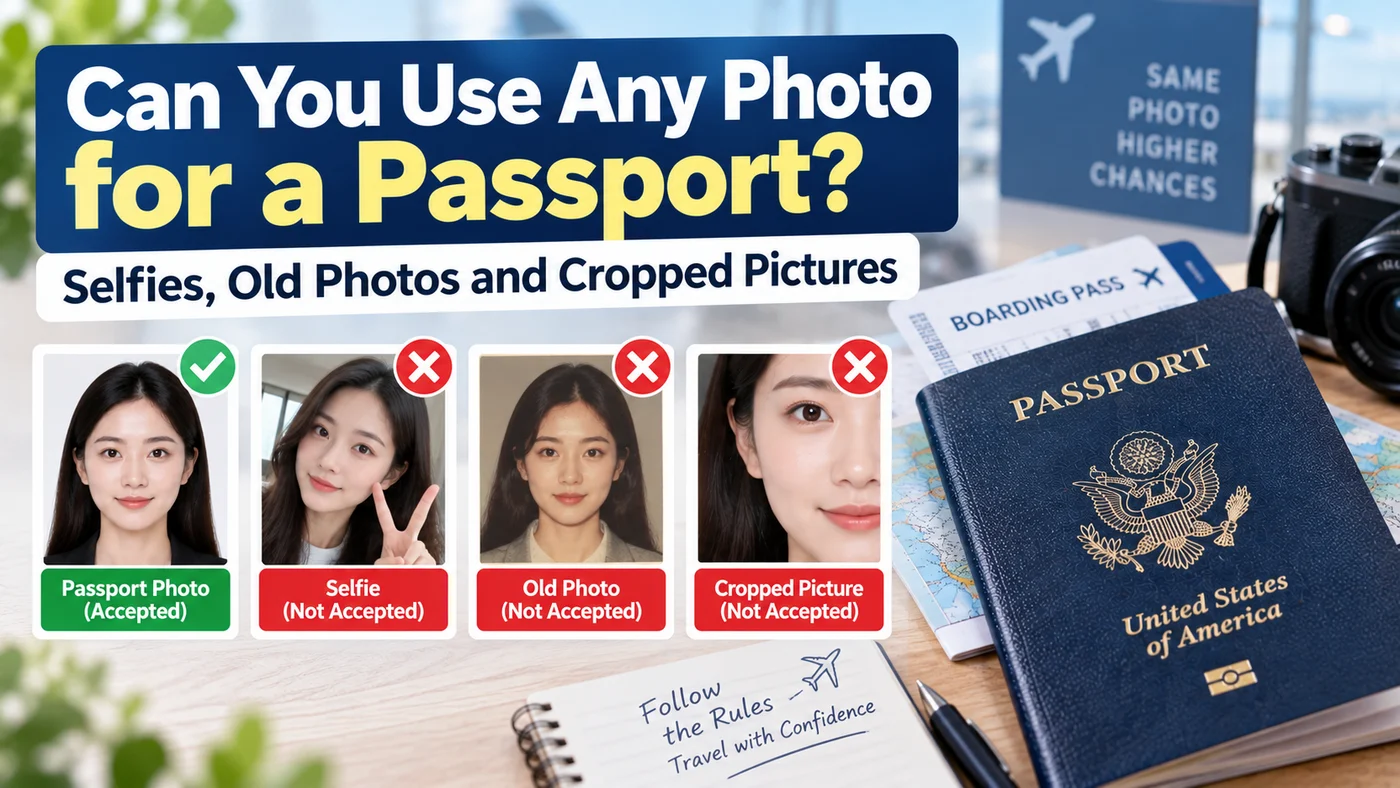
Find out why selfies, old photos, cropped snapshots, filters and retouching usually fail passport photo requirements.
Read article →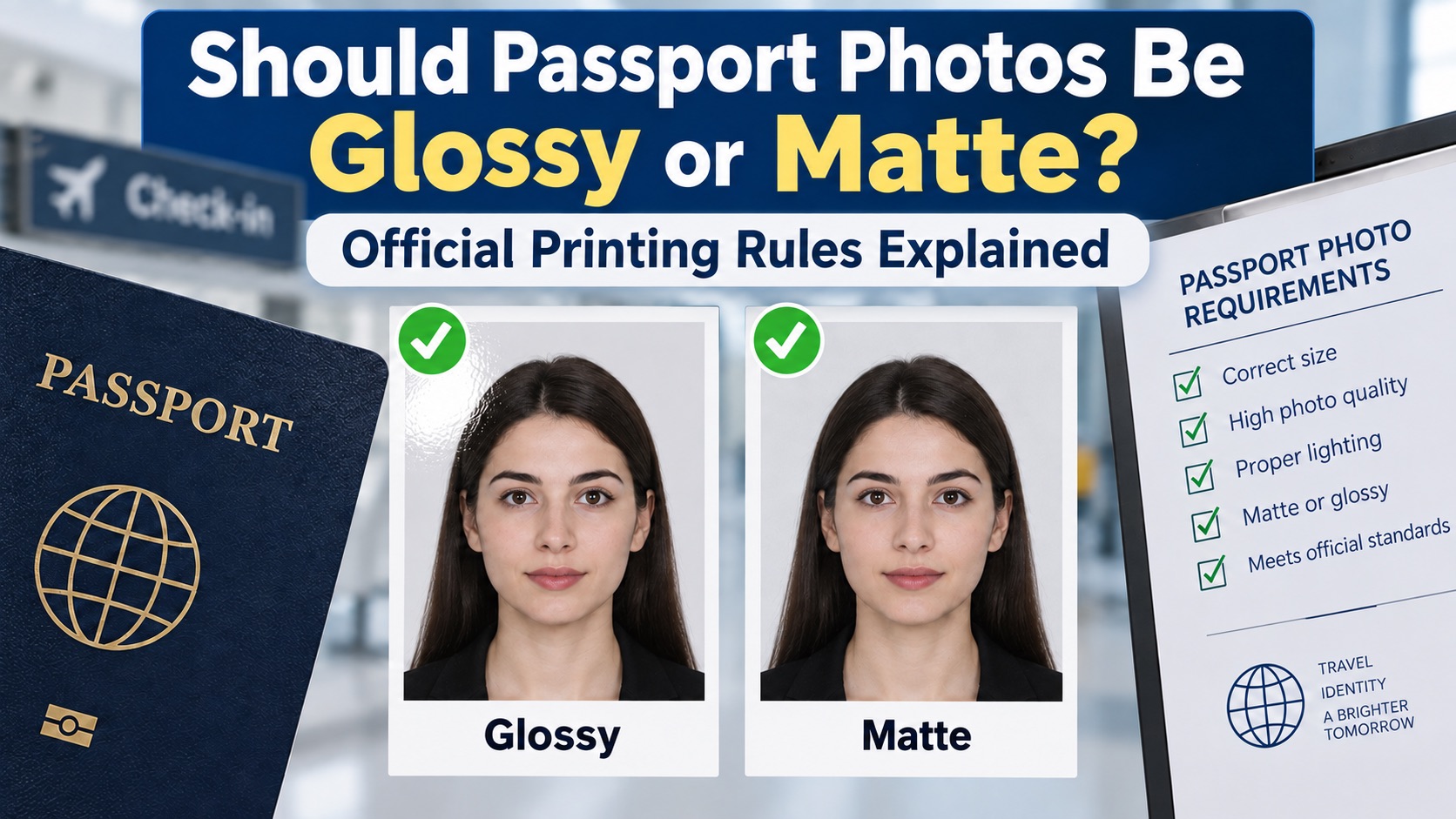
U.S. passport photos may be printed on matte or glossy photo-quality paper. Learn what matters more than finish and how to avoid print-related rejection.
Read article →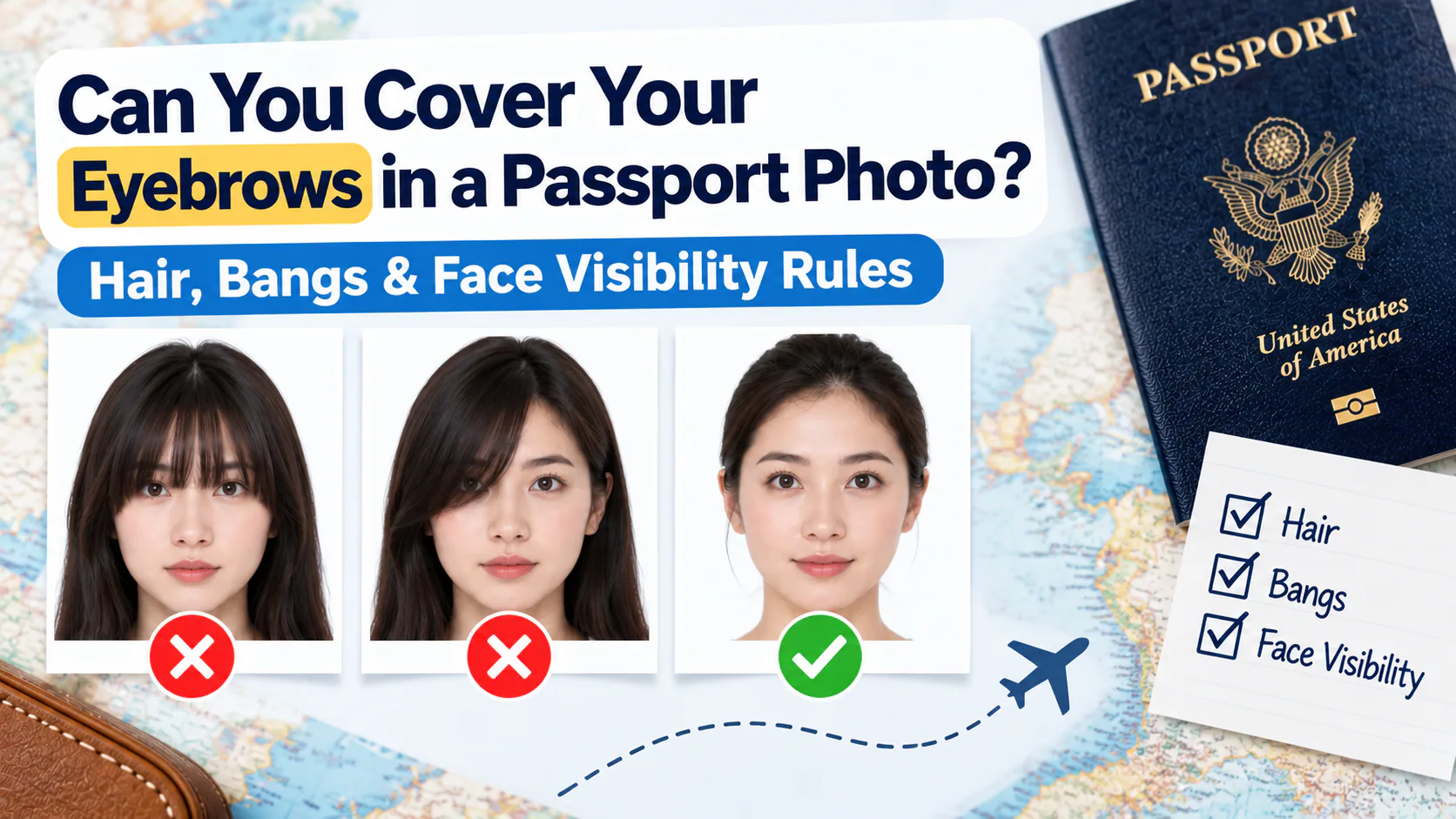
Can bangs cover your eyebrows in a passport photo? Compare official U.S., UK and Canada rules for eyes, ears, facial visibility, hairstyles and head coverings.
Read article →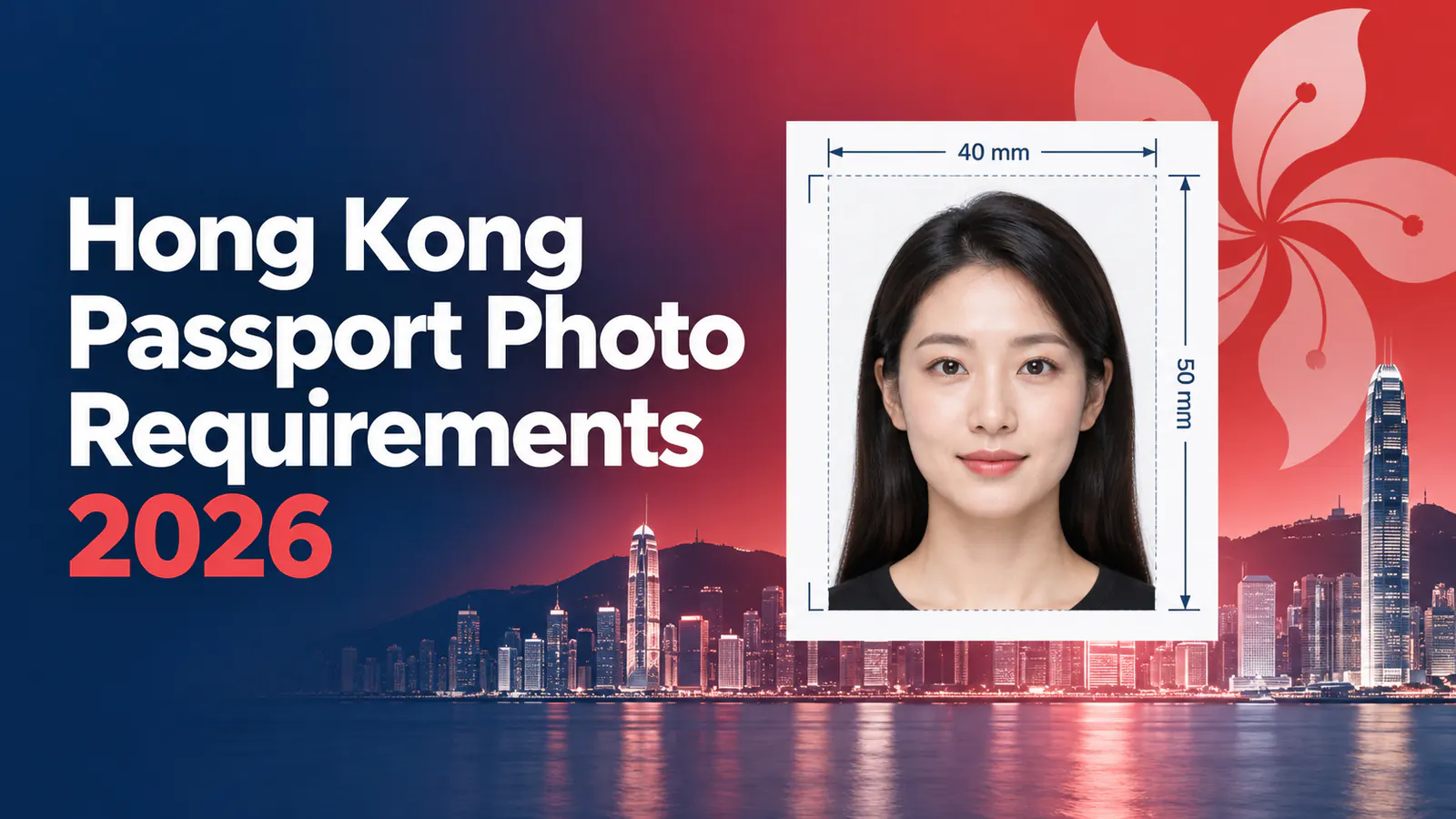
Hong Kong SAR passport photos must be color, 40×50mm, on a plain white background, with a 32–36mm head height and no digital retouching.
Read article →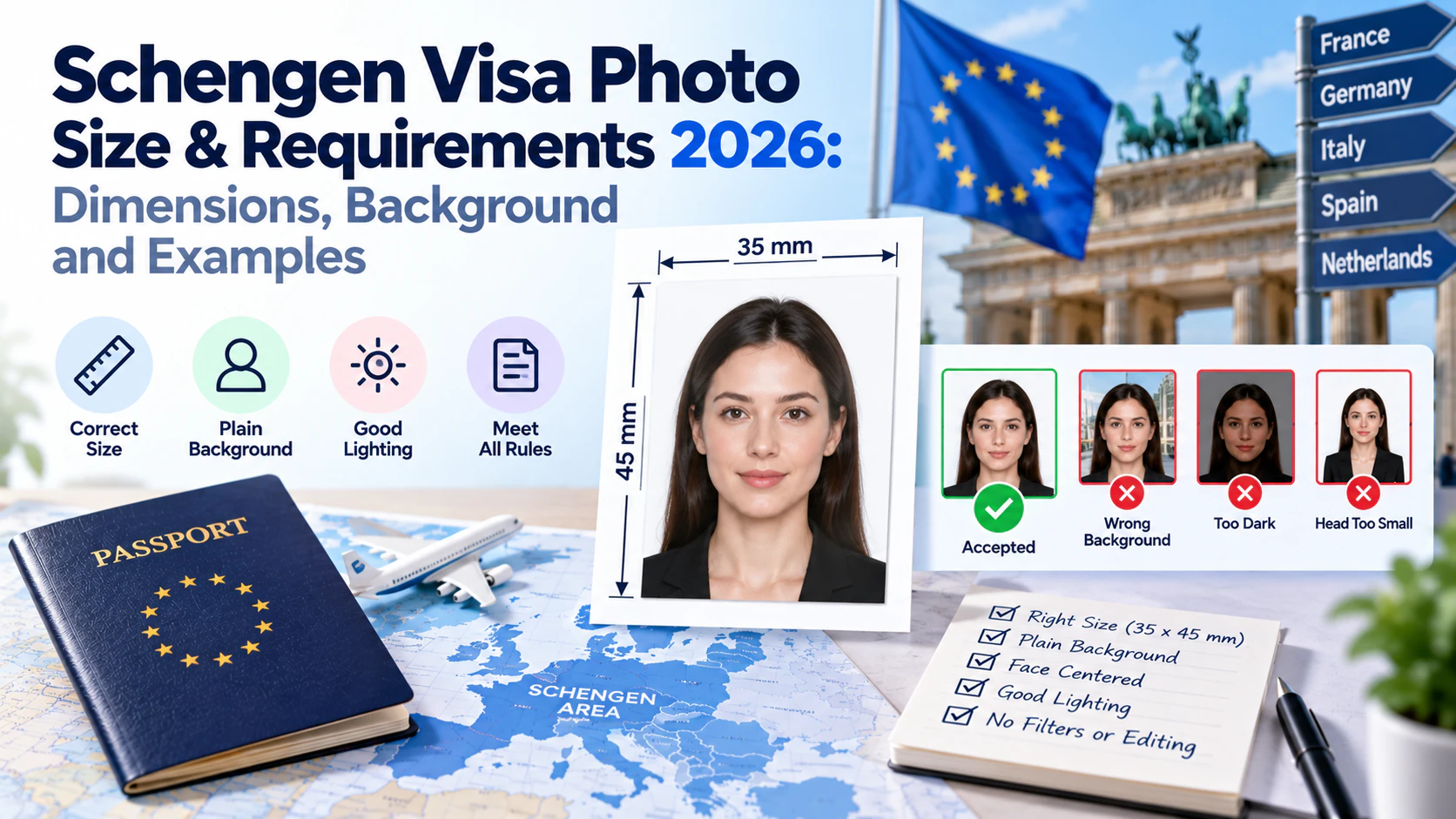
Quick answer: The official Schengen visa photo size is 35 × 45 mm (3.5 × 4.5 cm, or 1.38 × 1.77 inches), with your face height measuring 32–36 mm from chin to crown so it fills roughly 70–80% of the frame.
Read article →
Mexican Passport Requirements: Documents, Appointment & Photo Rules
Read article →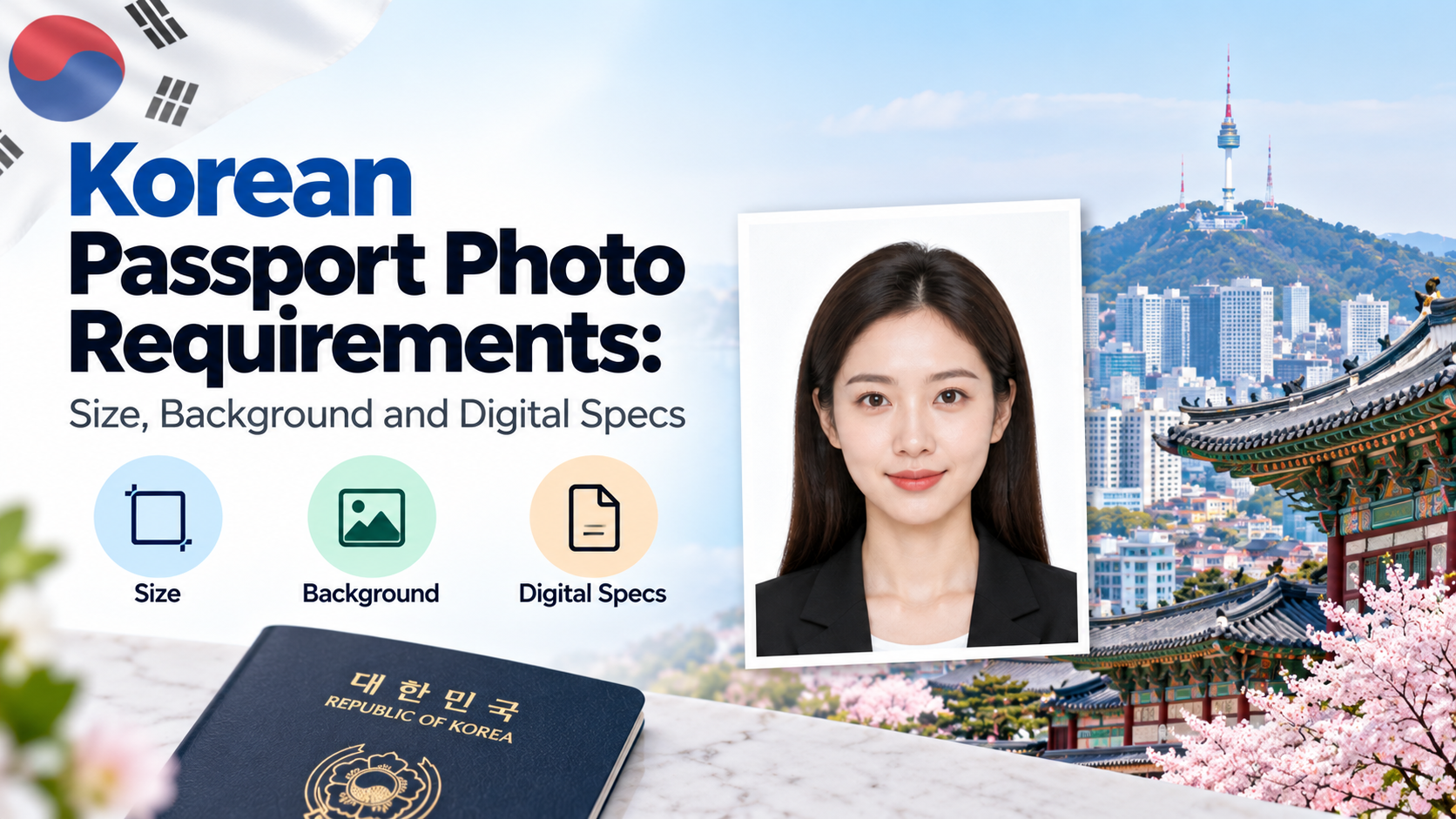
South Korean passport photo dimensions, white-background, recency, glasses and digital submission requirements.
Read article →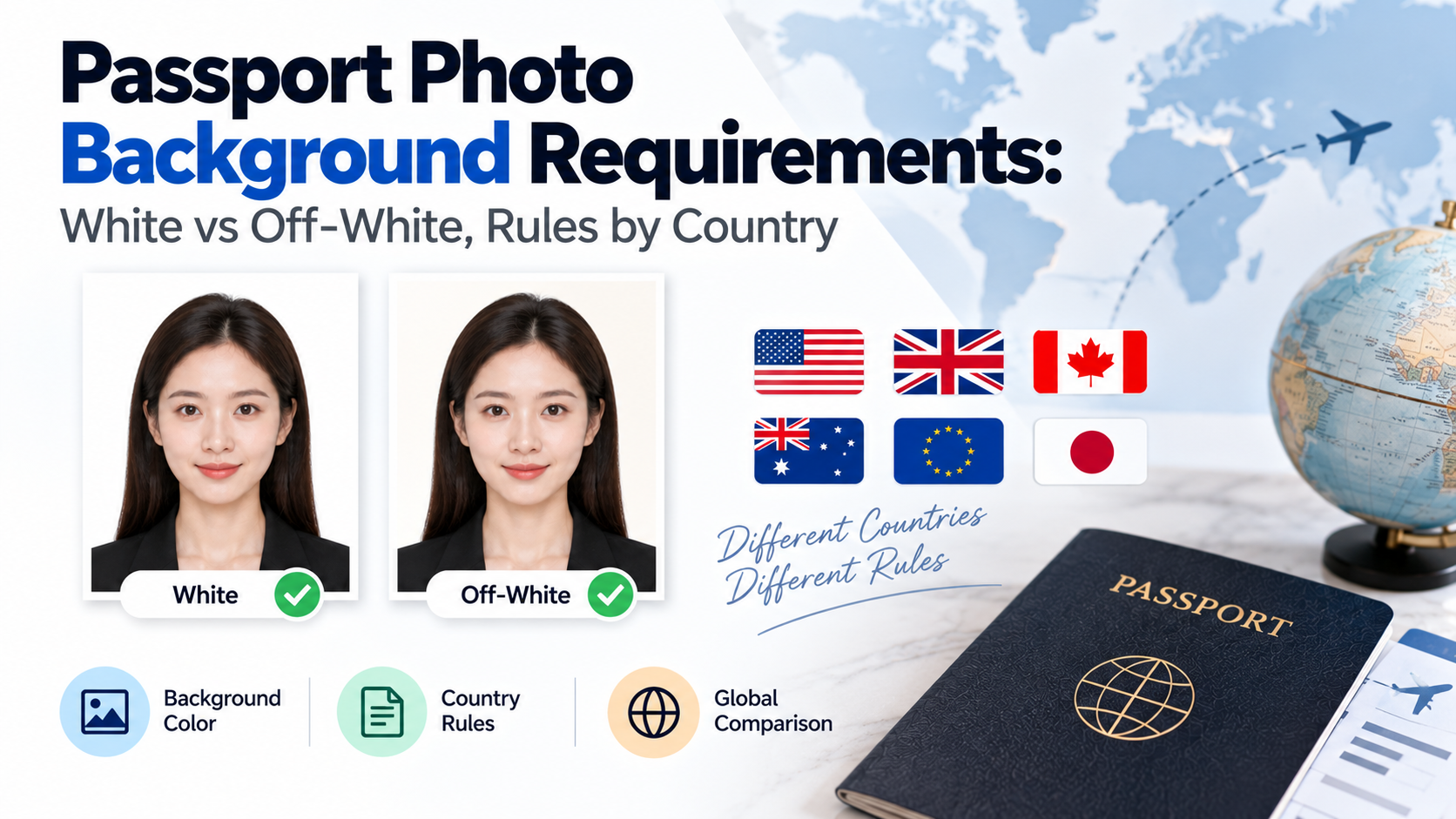
Compare white, off-white, light grey and country-specific passport photo background requirements and rejection risks.
Read article →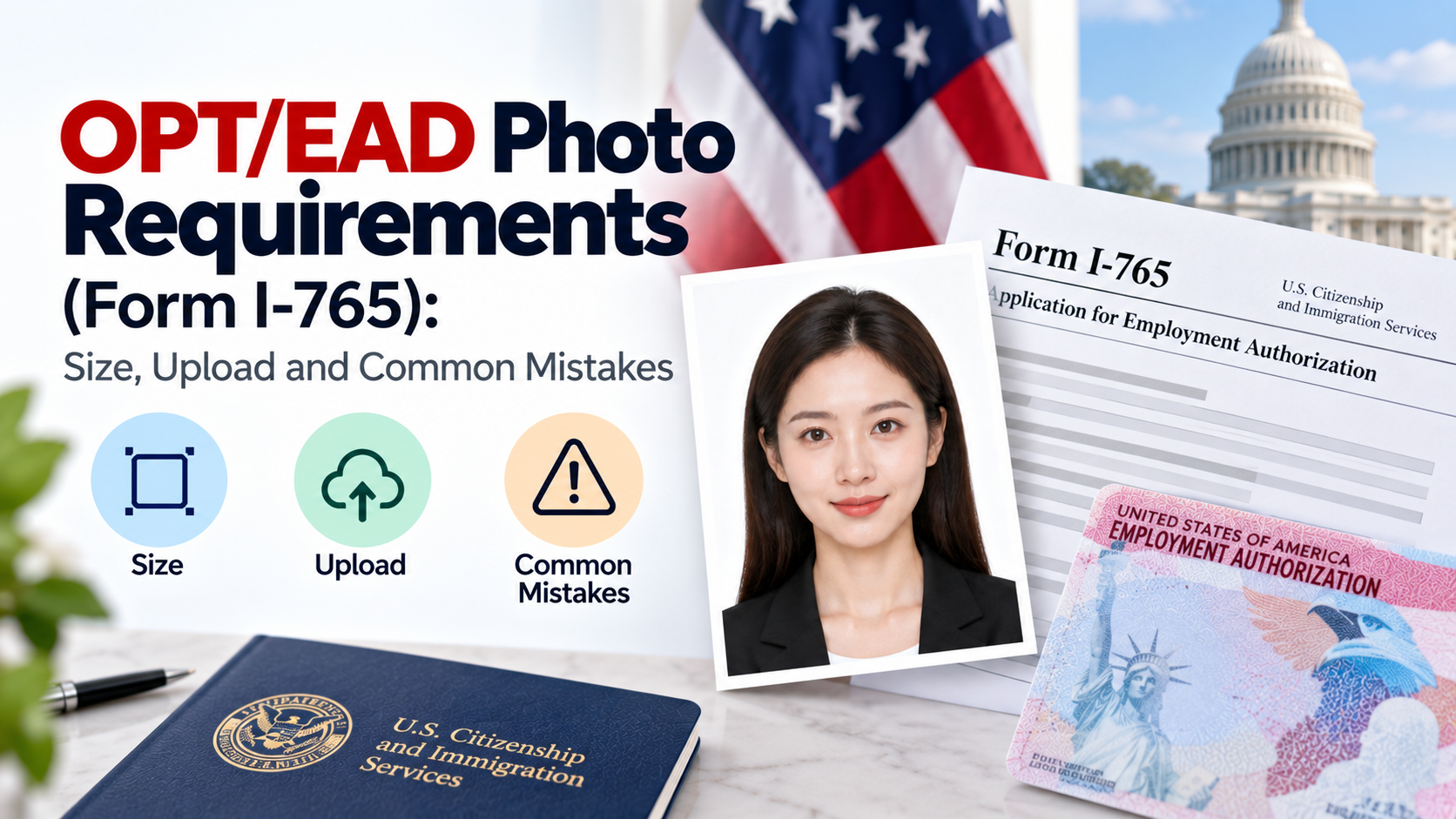
OPT and EAD Form I-765 photo size, digital upload, background, recency and common filing mistakes.
Read article →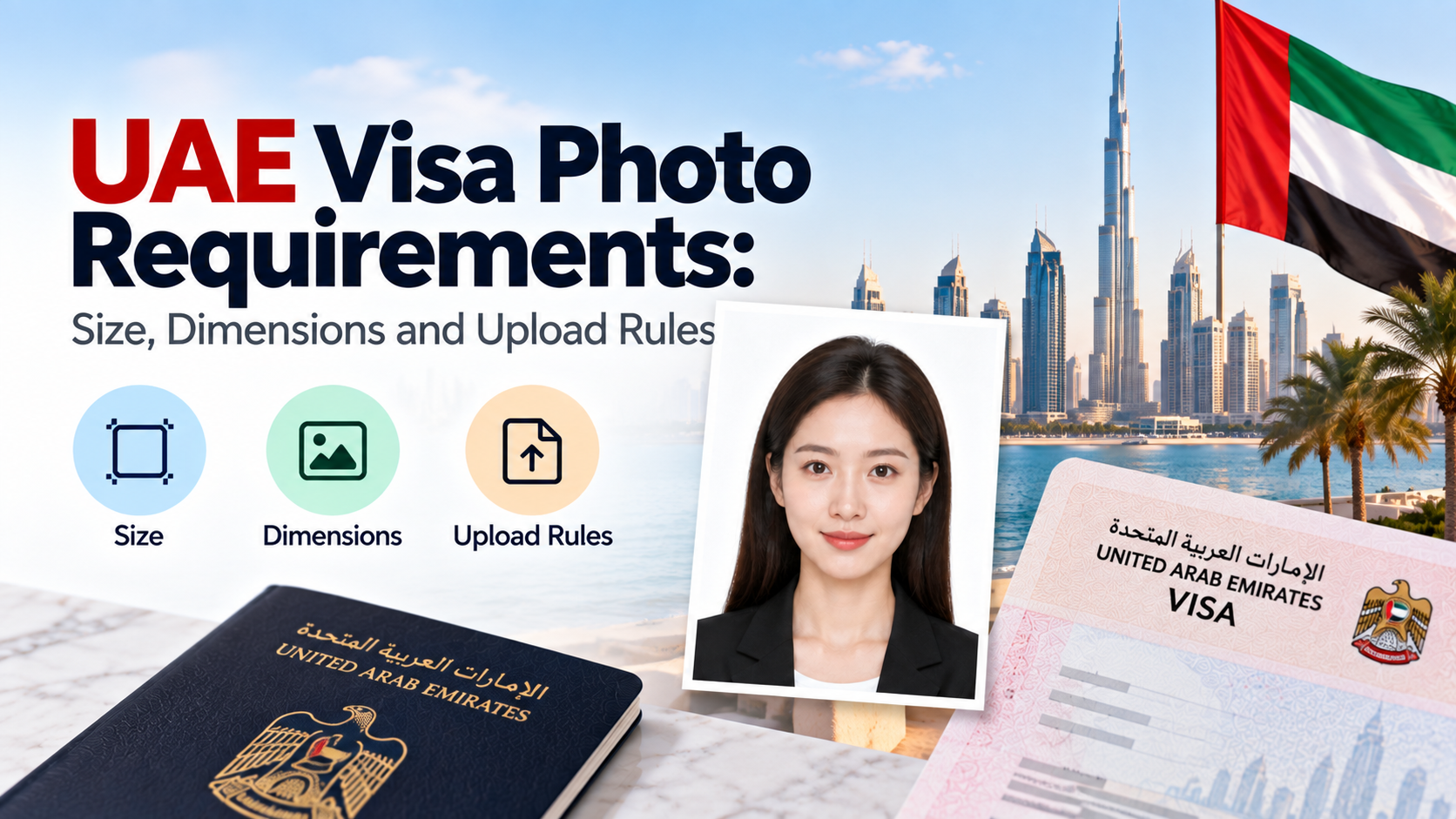
UAE and Dubai visa photo size, white-background rules, digital format and upload requirements by visa category.
Read article →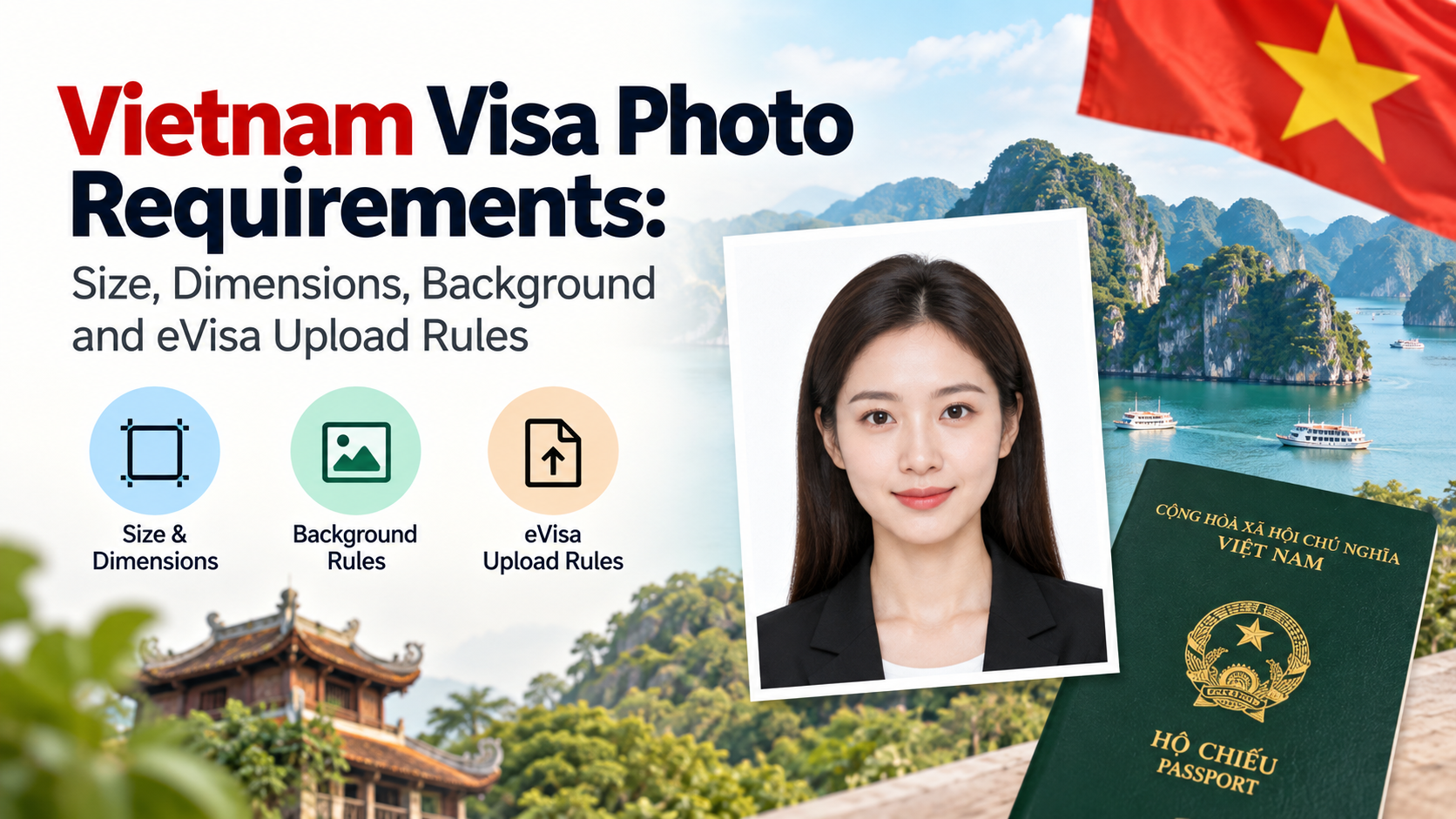
Vietnam visa photo size, background, recency and eVisa upload requirements, including the correct 4×6cm proportions.
Read article →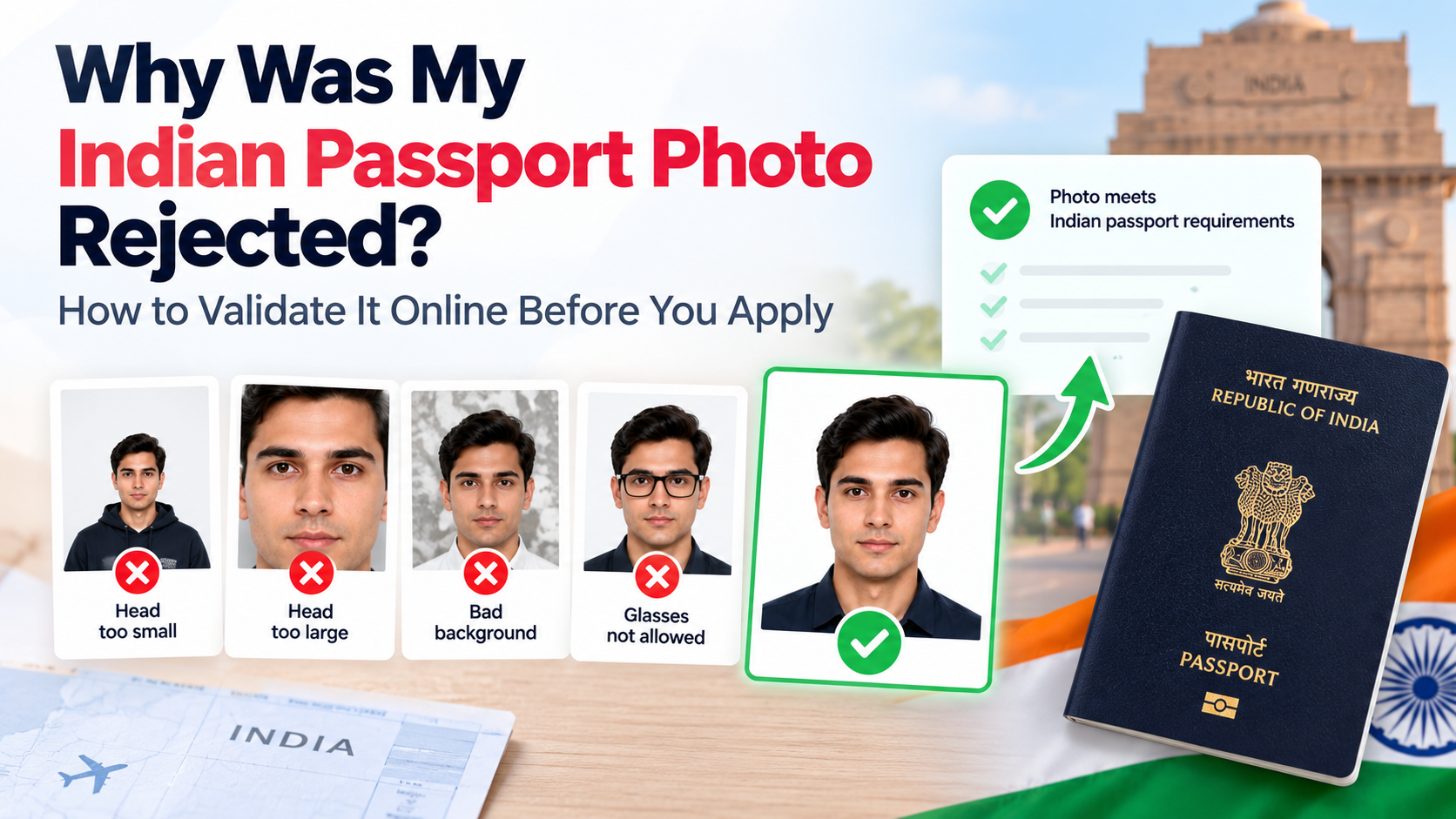
Diagnose Indian passport photo rejection issues including 630×810 dimensions, white background, face coverage, glare and unaltered-image rules.
Read article →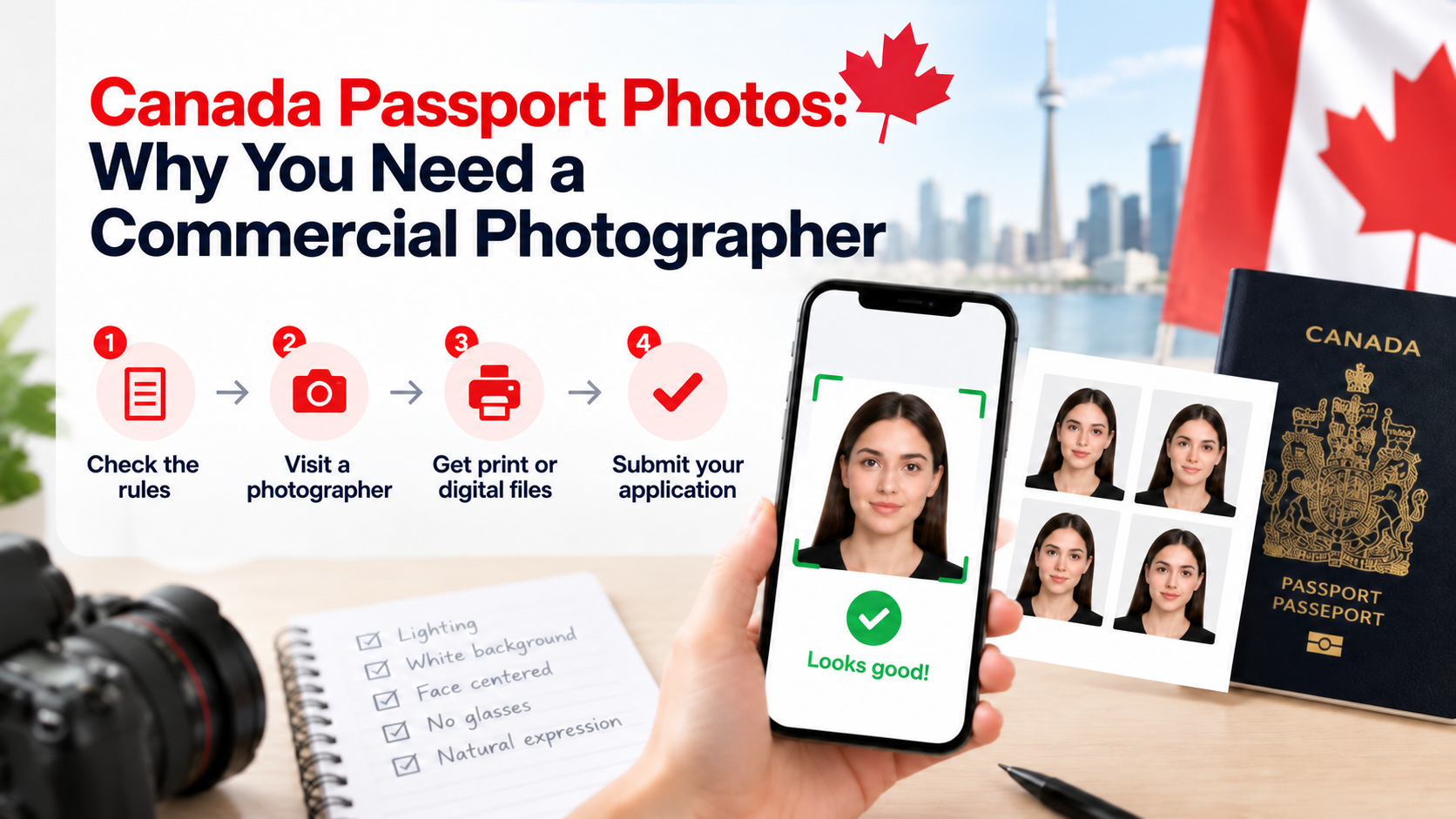
Canadian passport photos cannot be DIY. Learn the commercial-photographer rule, print and digital specifications, and what to request at the studio.
Read article →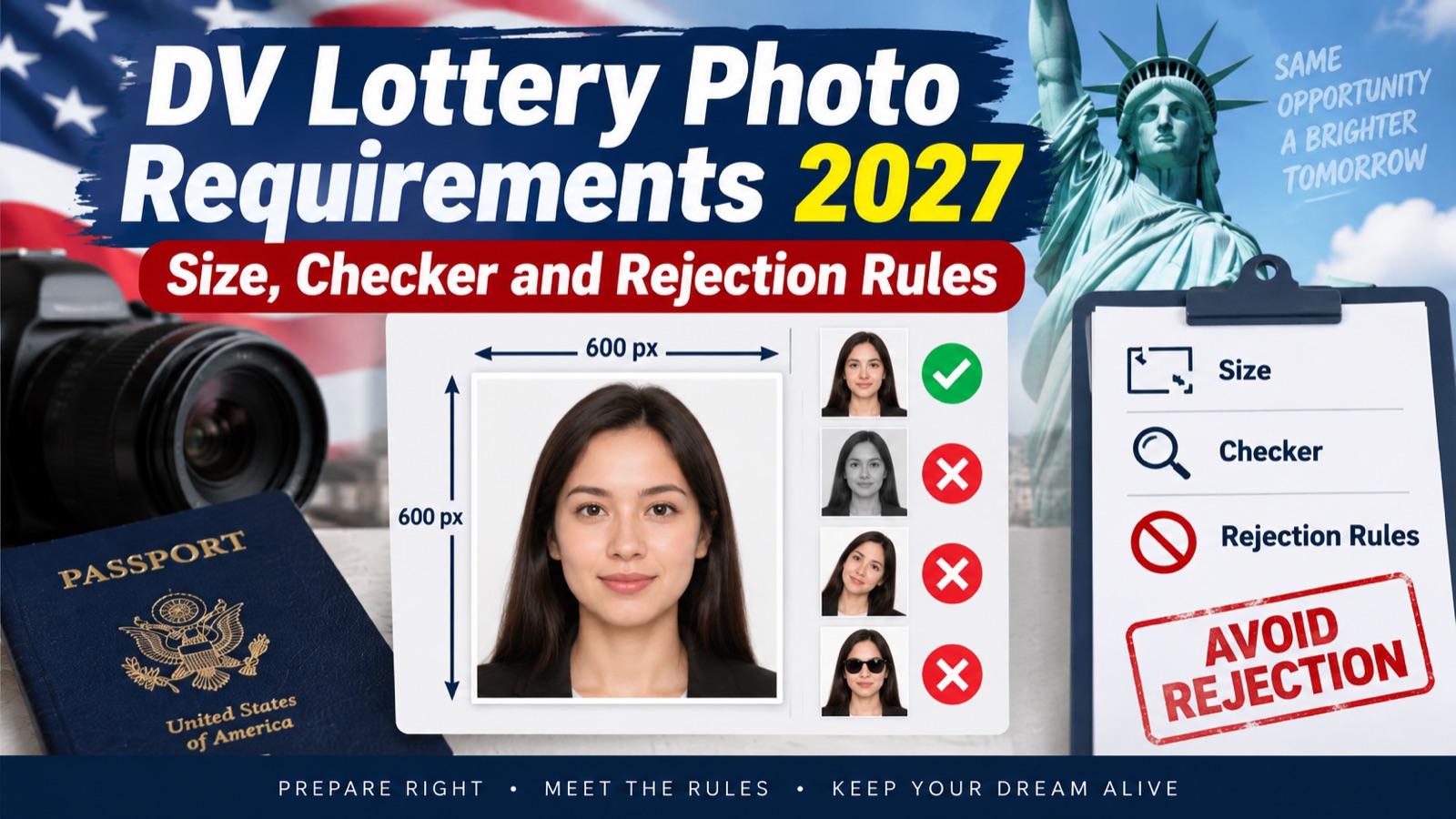
Review DV Lottery 2027 photo dimensions, file size, background, head position, recency, and the common mistakes that cause rejection.
Read article →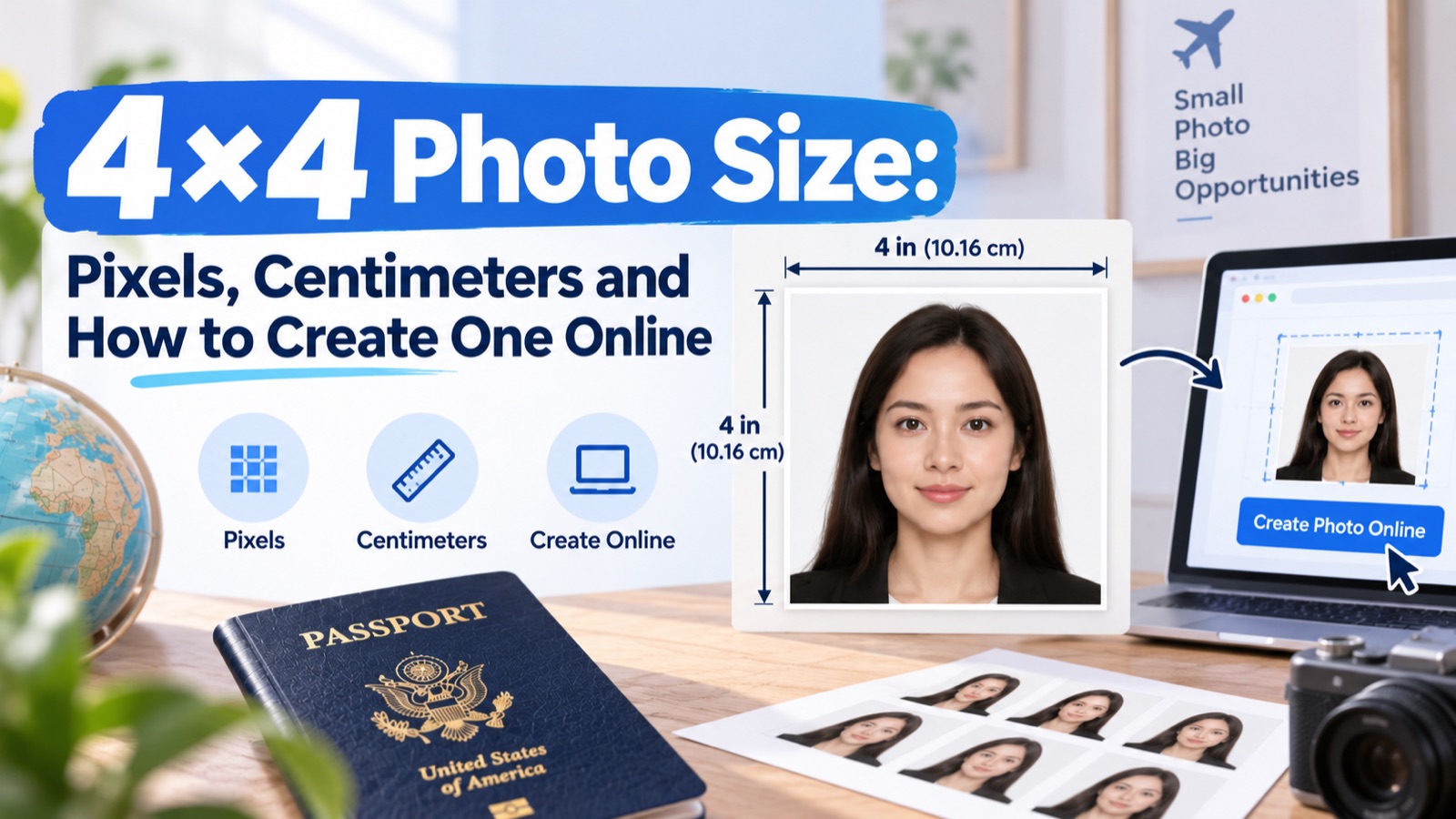
Learn the exact 4×4 cm photo dimensions in pixels, millimeters, and inches, how it differs from 2×2 inches, and how to create one online.
Read article →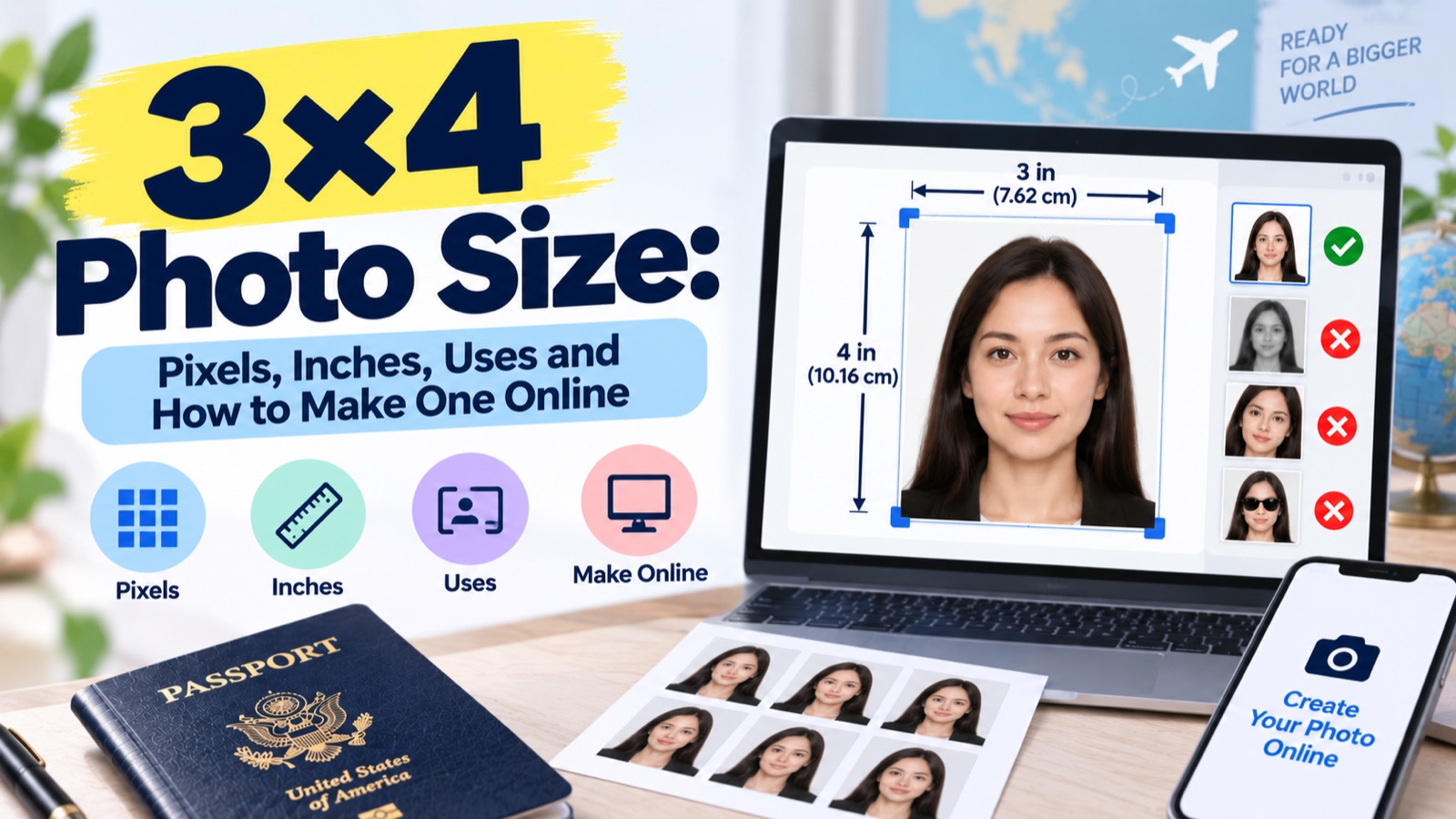
Learn the exact 3×4 cm photo size in pixels, millimeters, and inches, where it is used, and how to create the correct file online.
Read article →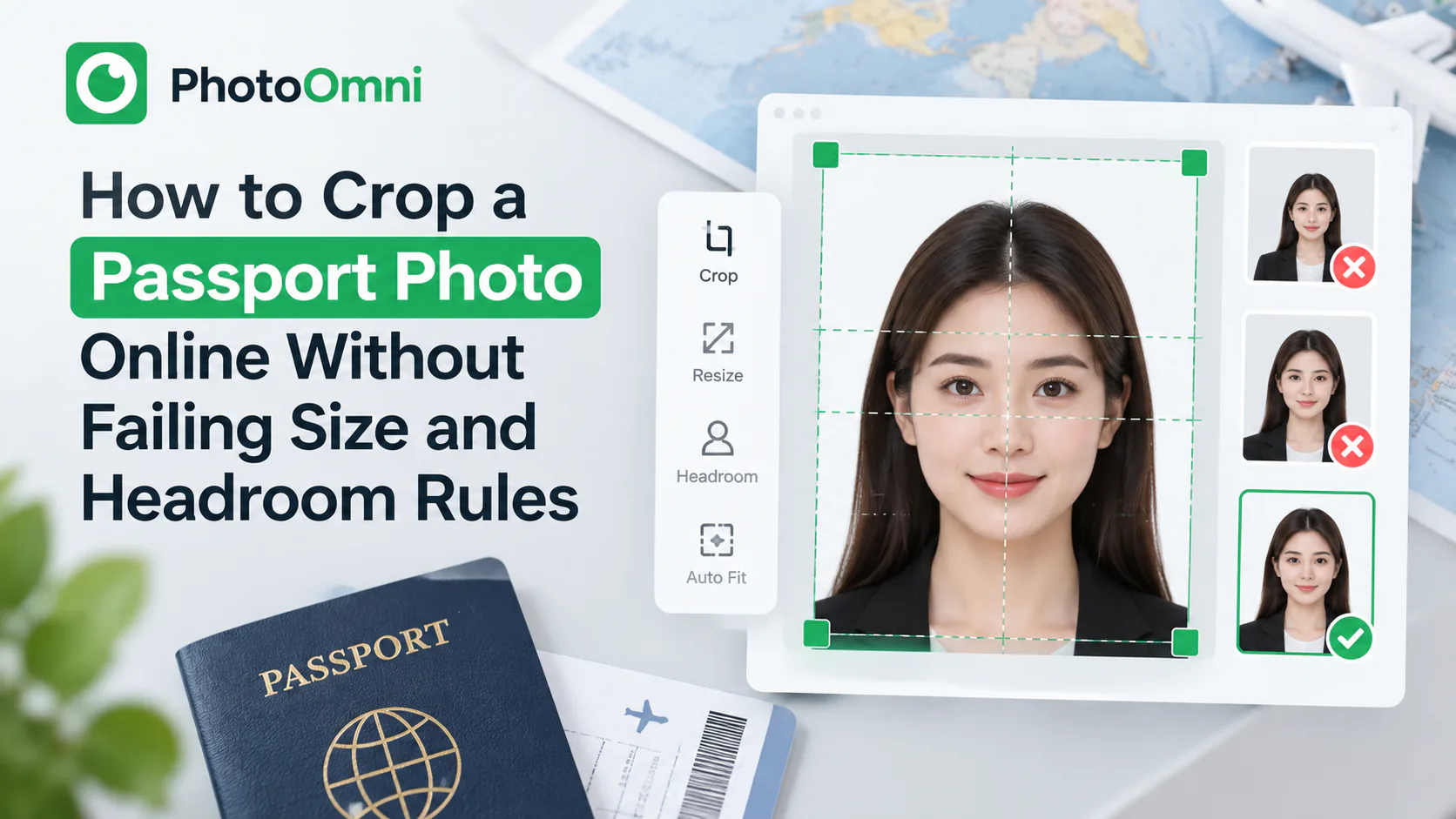
Crop a U.S. passport photo to 2×2 inches while meeting head size, centering, background, and color requirements.
Read article →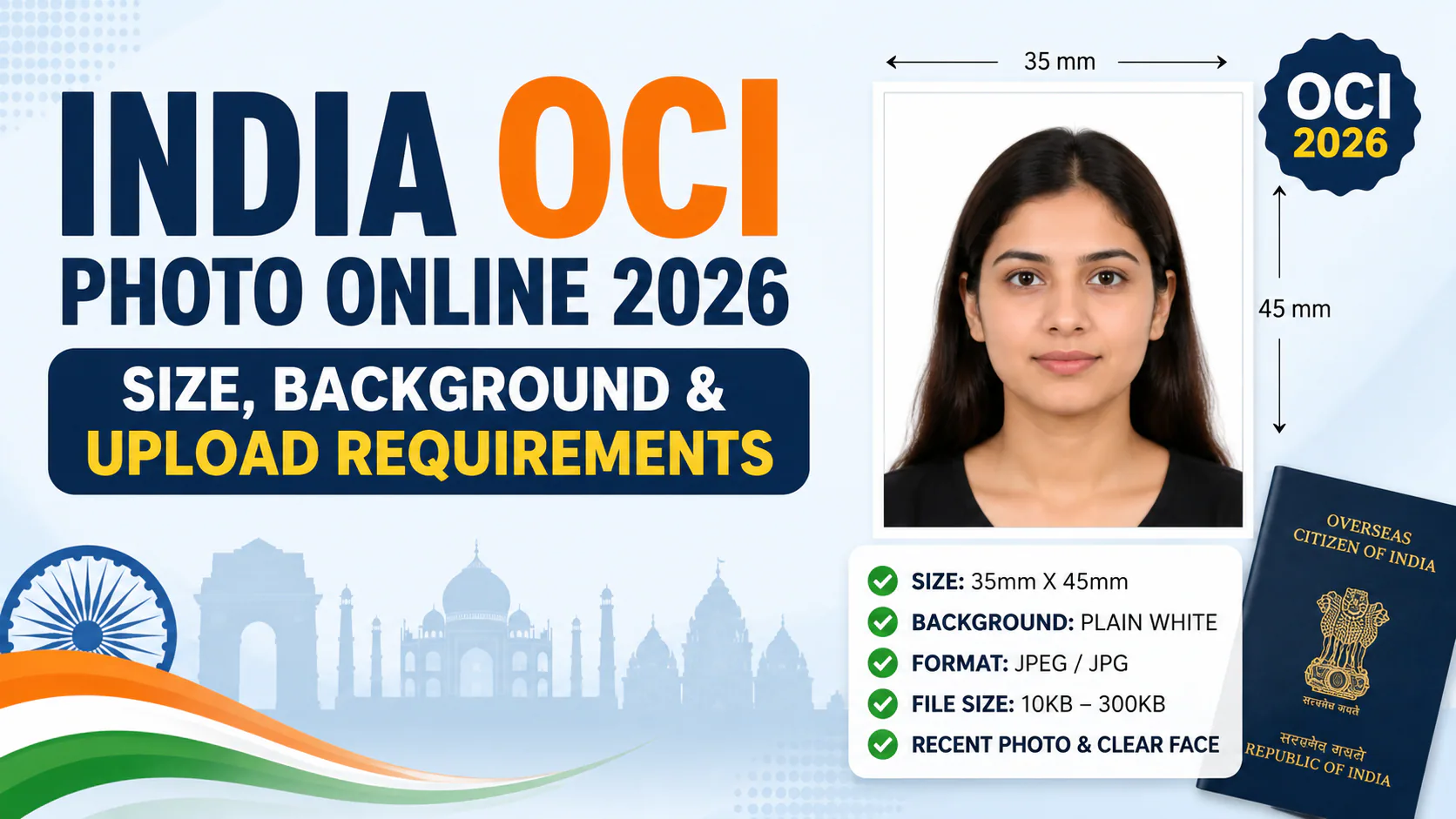
India OCI Photo Online 2026: Size, Background & Upload Requirements
Read article →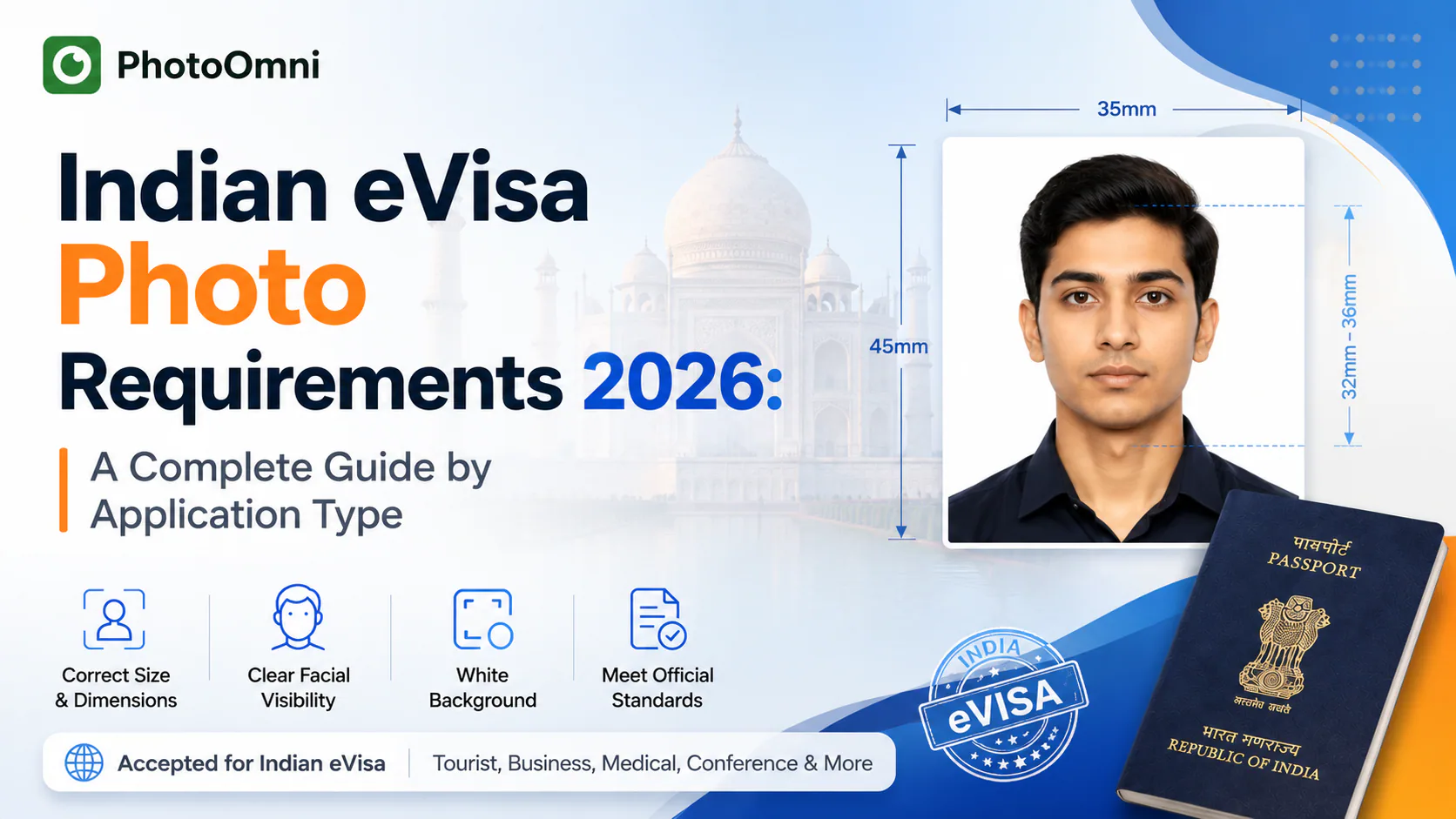
Indian eVisa photo requirements for 2026, including JPEG size and upload rules, background standards, application categories, and common mistakes.
Read article →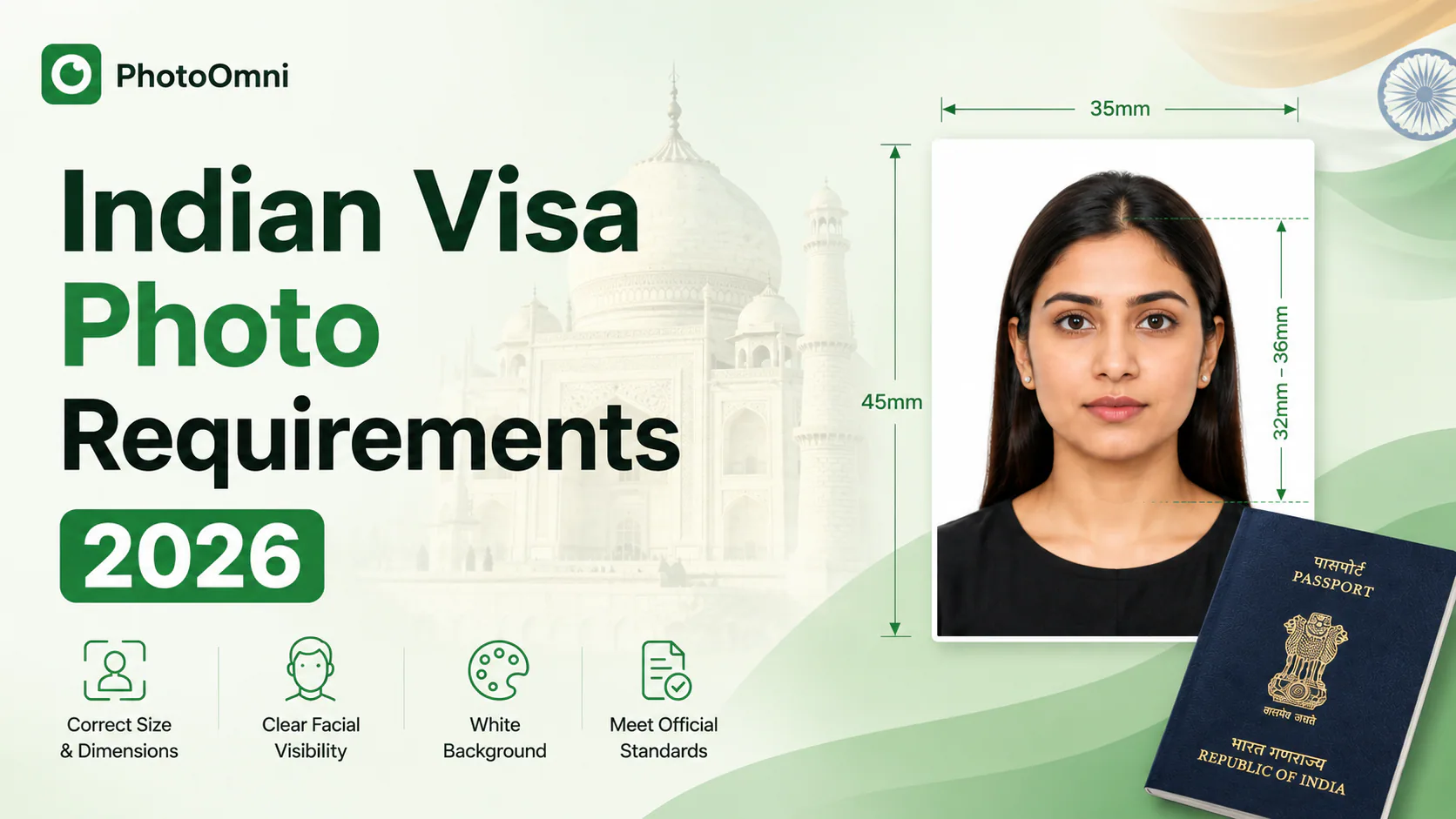
Indian visa photo requirements for 2026: square 51 × 51 mm size, digital upload rules, background, head position, and common rejection reasons.
Read article →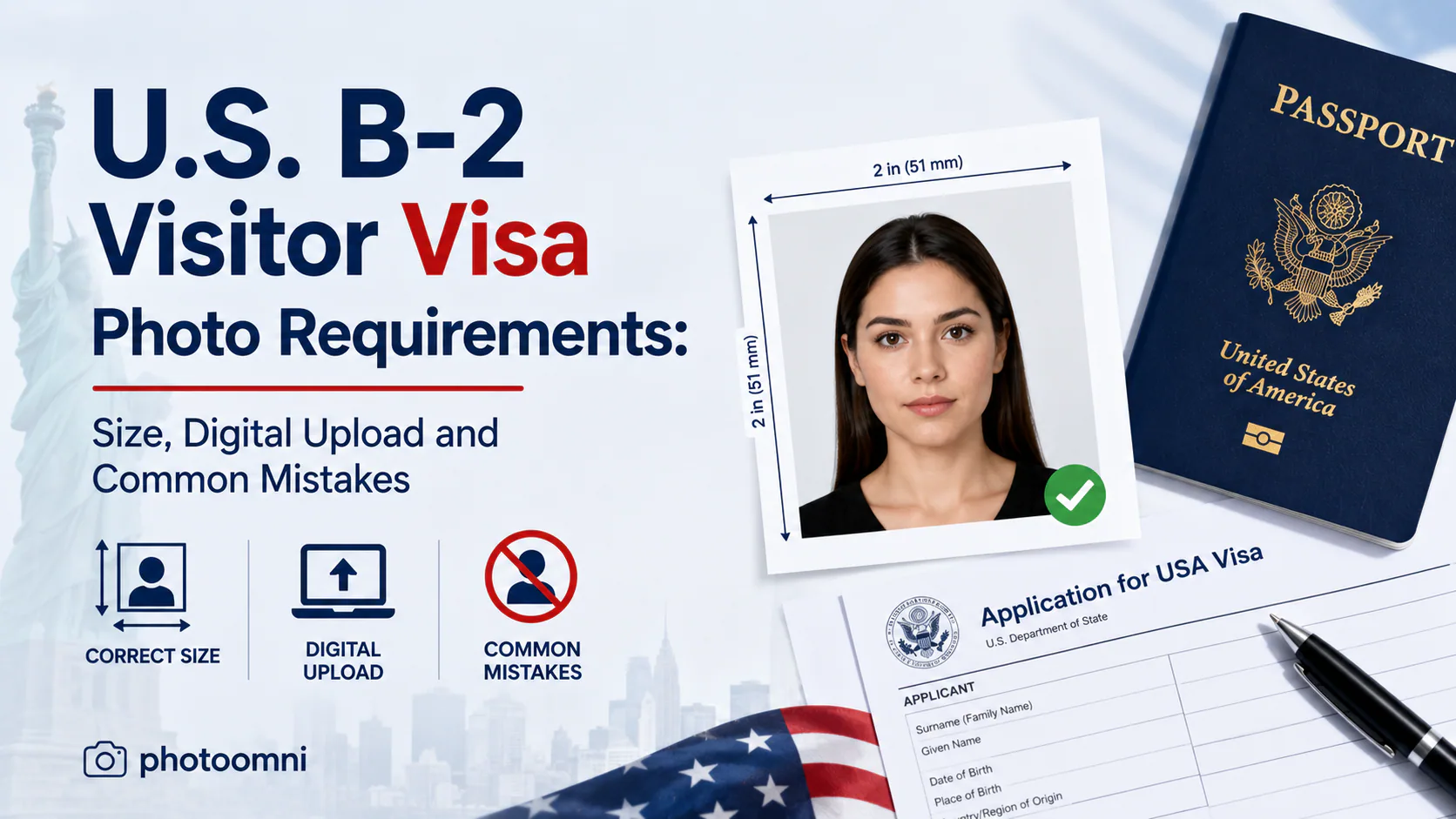
Prepare a B-2 visa photo for DS-160 with the official digital-image specifications, upload guidance, and a practical error checklist.
Read article →
Learn how passport image size changes by country, document, and output type—plus U.S. 2×2 print and digital-upload rules.
Read article →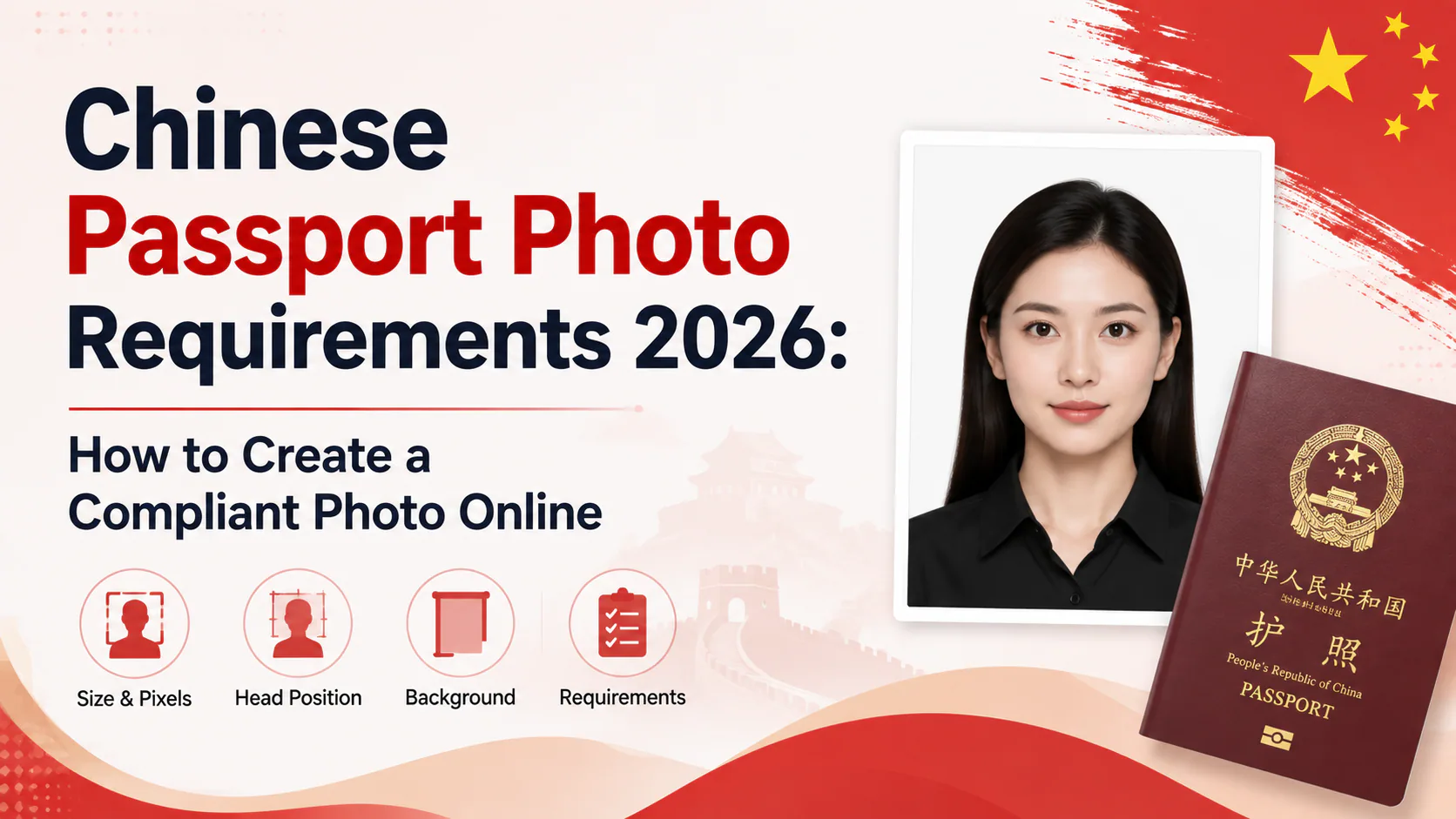
A Chinese passport photo must be 33mm × 48mm, color, pure white background, taken within the last 6 months, with no glasses (banned since a 2023–2024 rule change) and a neutral expression. This is neither the 35×45mm size used across most of Europe and Asia, nor the 2×2 inch (51×51mm) US standard —
Read article →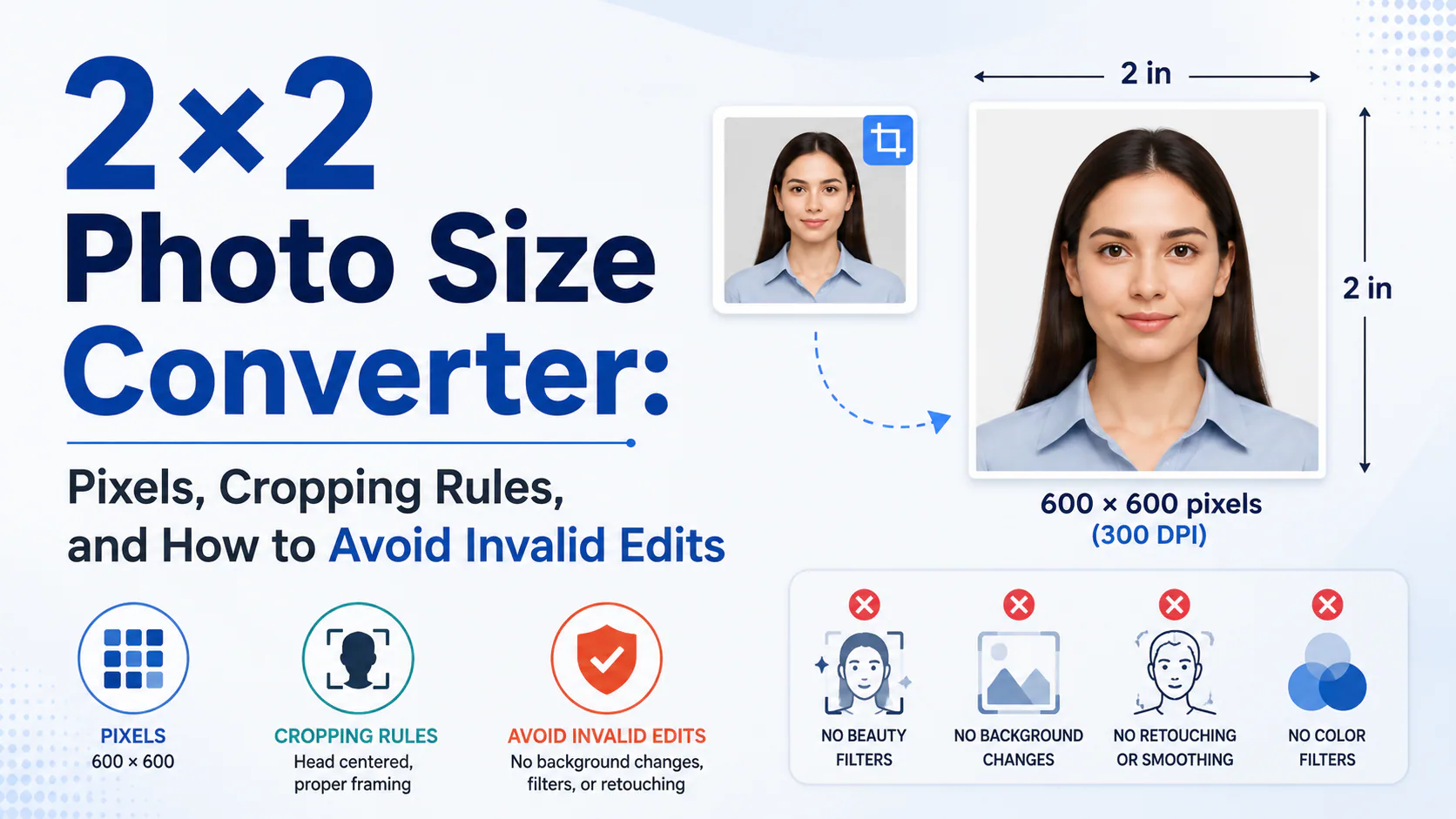
A 2×2 inch photo (51×51mm) converts to 600×600 pixels at 300 DPI, or 1200×1200 pixels at 600 DPI — the two most common targets, with some US digital portals accepting anything in that range and others wanting an exact match. But pixel count isn't where most "invalid edit" rejections come from. The m
Read article →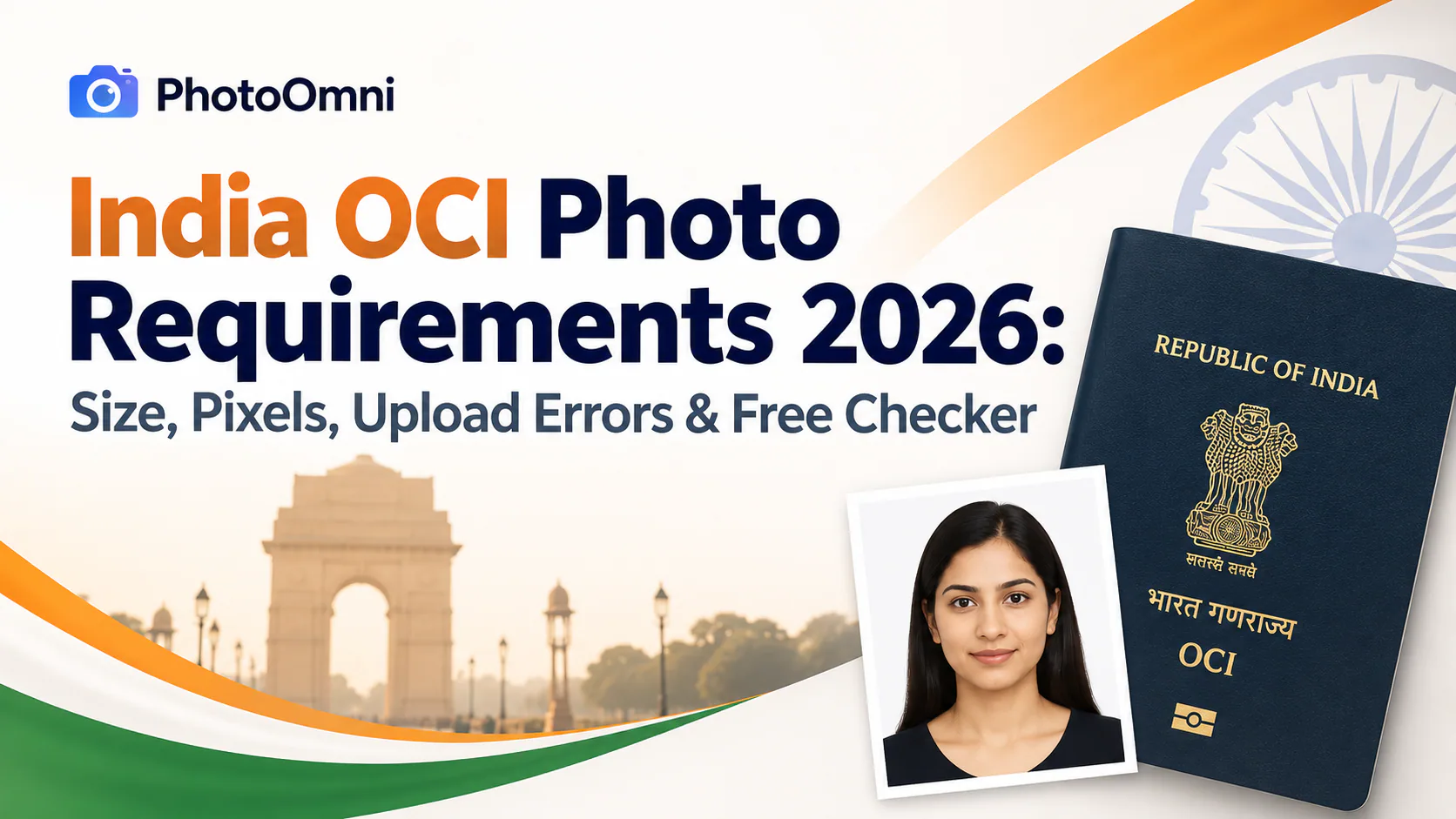
An OCI (Overseas Citizen of India) card photo must be square, 51×51mm (2×2 inches), JPEG format, between 200×200 and 900×900 pixels, under roughly 200KB, against a plain **light-colored background — specifically not pure white**, with your head at 70–80% of the frame. This is a completely different
Read article →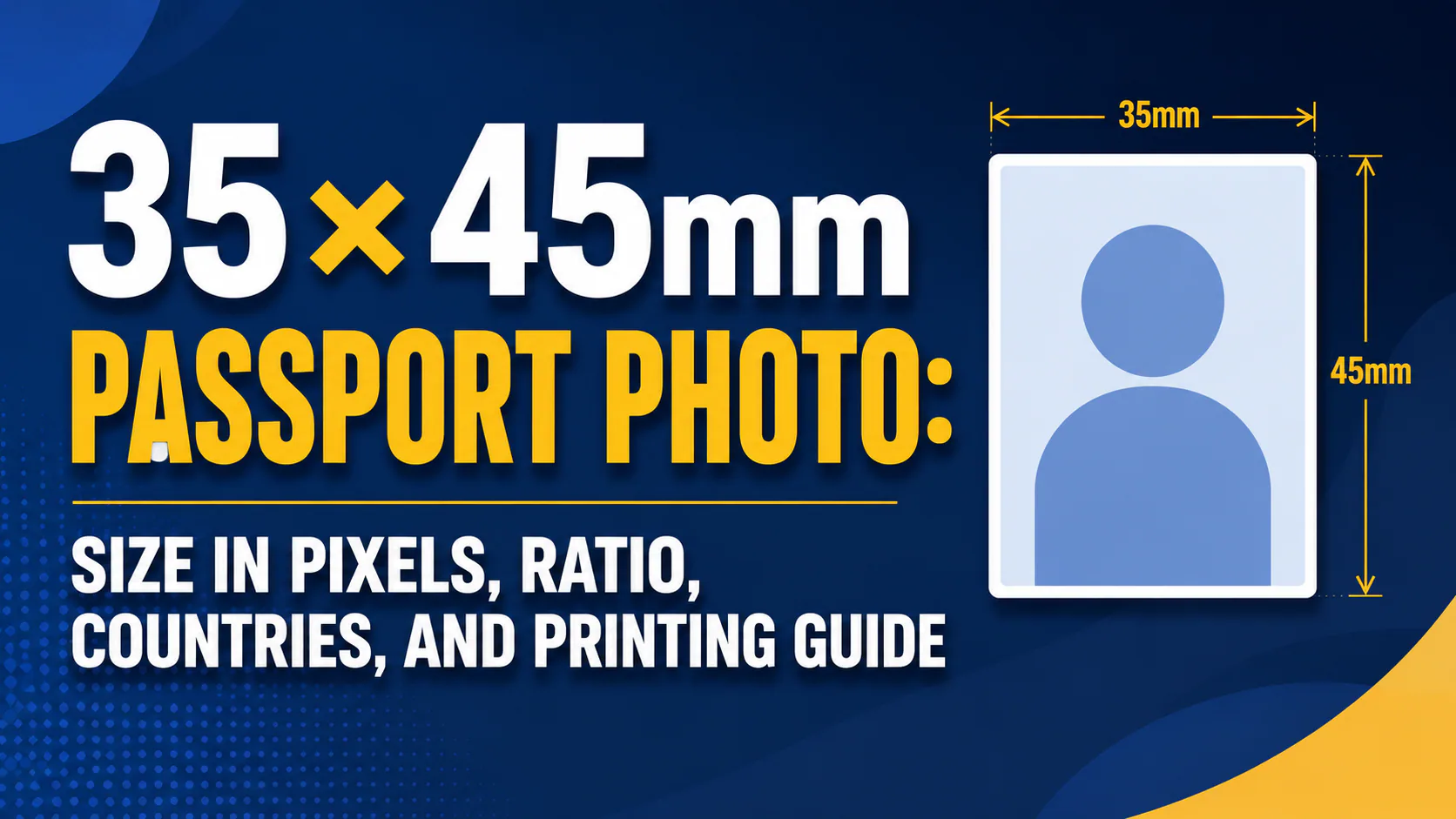
35×45mm is the passport and visa photo size used across the UK, all of Schengen Europe, India, and most of Asia and Africa — making it the single most common format worldwide, well ahead of the US's 2×2 inch standard. At 300 DPI, that converts to roughly 413×531 pixels, though several countries' dig
Read article →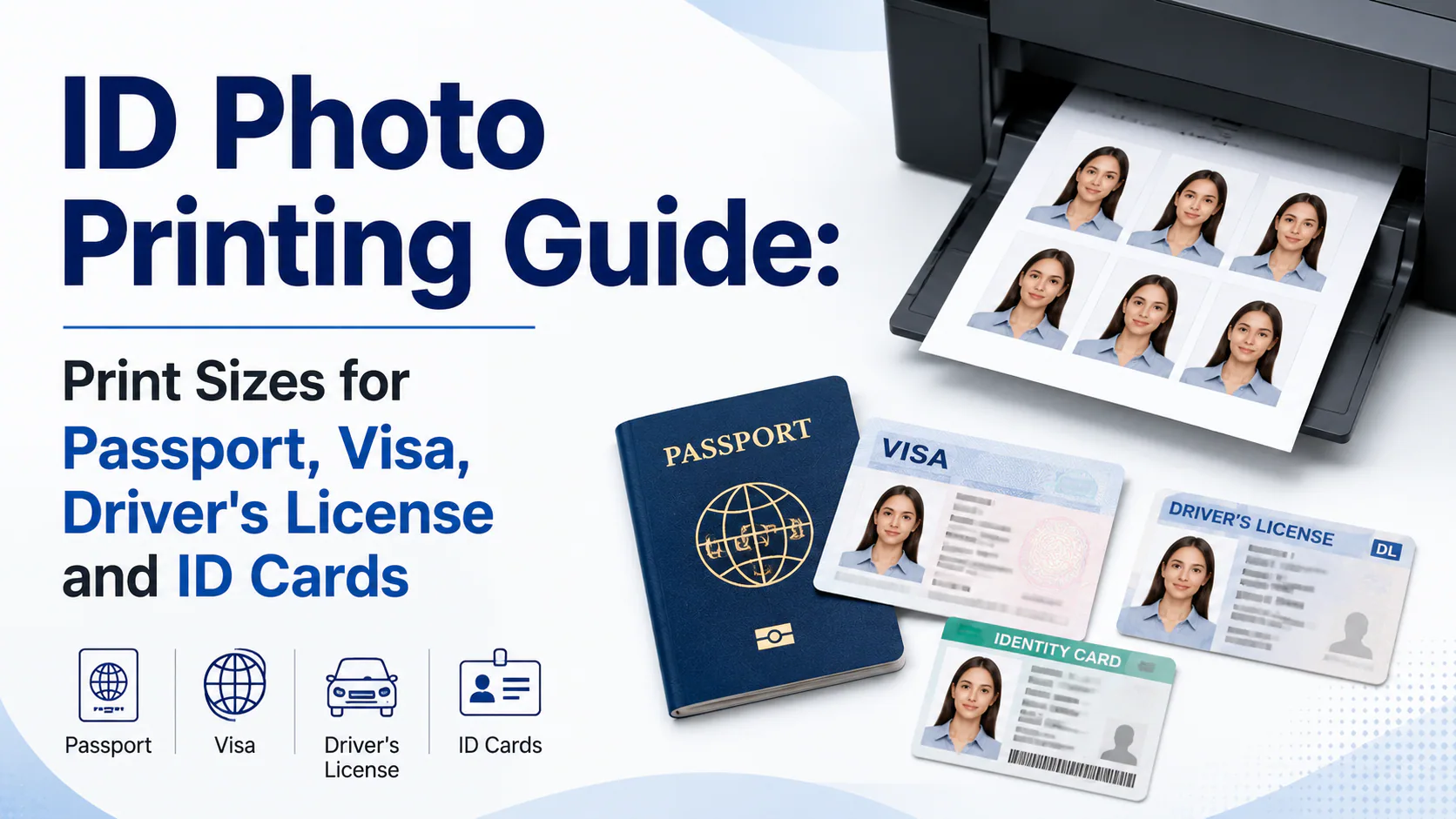
Passport and visa photos are typically 2×2 inches (51×51mm) in the US or 35×45mm across the UK, Schengen Europe, and most of Asia — and for both, printing at home or through an id photo print service works fine as long as the print hits the exact physical size. Driver's licenses are the outlier: in
Read article →
An International Driving Permit (IDP) requires two identical passport-style photos — 2×2 inches (51×51mm), color, white background, taken within the last six months, signed on the back. In the US, only AAA and AATA are authorized by the State Department to issue a real IDP; everything else claiming
Read article →